Still stuck in our tier systems (and likely to be for some time) let’s have another lockdown armchair travel trip, and P is for a number of places, but first, Peru. We spent a week there in September 2011 at the start of our South American tour. So, what do you think of, when you think of Peru? Quite possibly this place:
 But more of that shortly. Our week started off in the capital Lima, a thriving and attractive place, full of striking architecture.
 You see that yellow and black combination all round the Plaza Mayor and the city centre. The ornate enclosed balconies can be breathtakingly beautiful.
 And the Plaza Mayor is definitely the centre of attention.
 But there’s also a bustling market


 In the Miraflores district, you can meet dinosaurs at Kennedy Park
 We also visited the charming Casa de Aliaga, the city’s oldest colonial mansion
 Went here
 For two of these
 The Pisco Sour. It tastes much nicer than it sounds. We kept out of the way of this lot:
 And also had a very enjoyable stroll around Miraflores, which is upmarket and delightful – and a great coastline. You don’t tend to think of the sea when it comes to Peru, but it’s not to be missed.
 From Lima we flew to Cuzco, and, in order to acclimatise to the altitude, immediately headed for the Sacred Valley, which is at a much lower level – then you slowly begin to climb during the next few days. The Sacred Valley is quite touristy, so you see plenty of these:
 And these
 And these
 This gentleman shows us the traditional art of spinning. So much more refined when you do it without an exercise bike. In Pisac, we visited another market
 But the highlight of the Sacred Valley is Ollantaytambo, famous for its Inca ruins, as it was once the royal estate of Emperor Pachacuti.


The next day we started to make our way towards Machu Picchu. To do this we took the train to Aguas Calientes.
 A picturesque journey – we reckoned these people were doing the Inca Trail.


 Until it finally reaches Aguas Calientes.
And once you’re there, you can’t wait to get to Machu Picchu!


 We got up early the next morning to see dawn rise over the site
 A misty experience!
 From there we walked up Waynu Picchu, which is the mountain opposite Machu Picchu, to get the great view. Wow, what an experience!

 It’s high. It’s tiring. But so worth it! And what comes up, must go down….
 And it’s quite a challenge! Reaching Machu Picchu again gave us a chance for another walk around.


From there, it was back on the train and heading for Cusco, the capital of the Inca Empire, and, despite our best efforts, the place where altitude sickness finally got us. Nevertheless we still enjoyed it.
 The Plaza de Armas is the focus of the city centre, an expansive and beautiful town square.
 and, surprise, surprise….

The police get about on segways – makes it much easier for them!

This is the beautiful Santo Domingo Convent
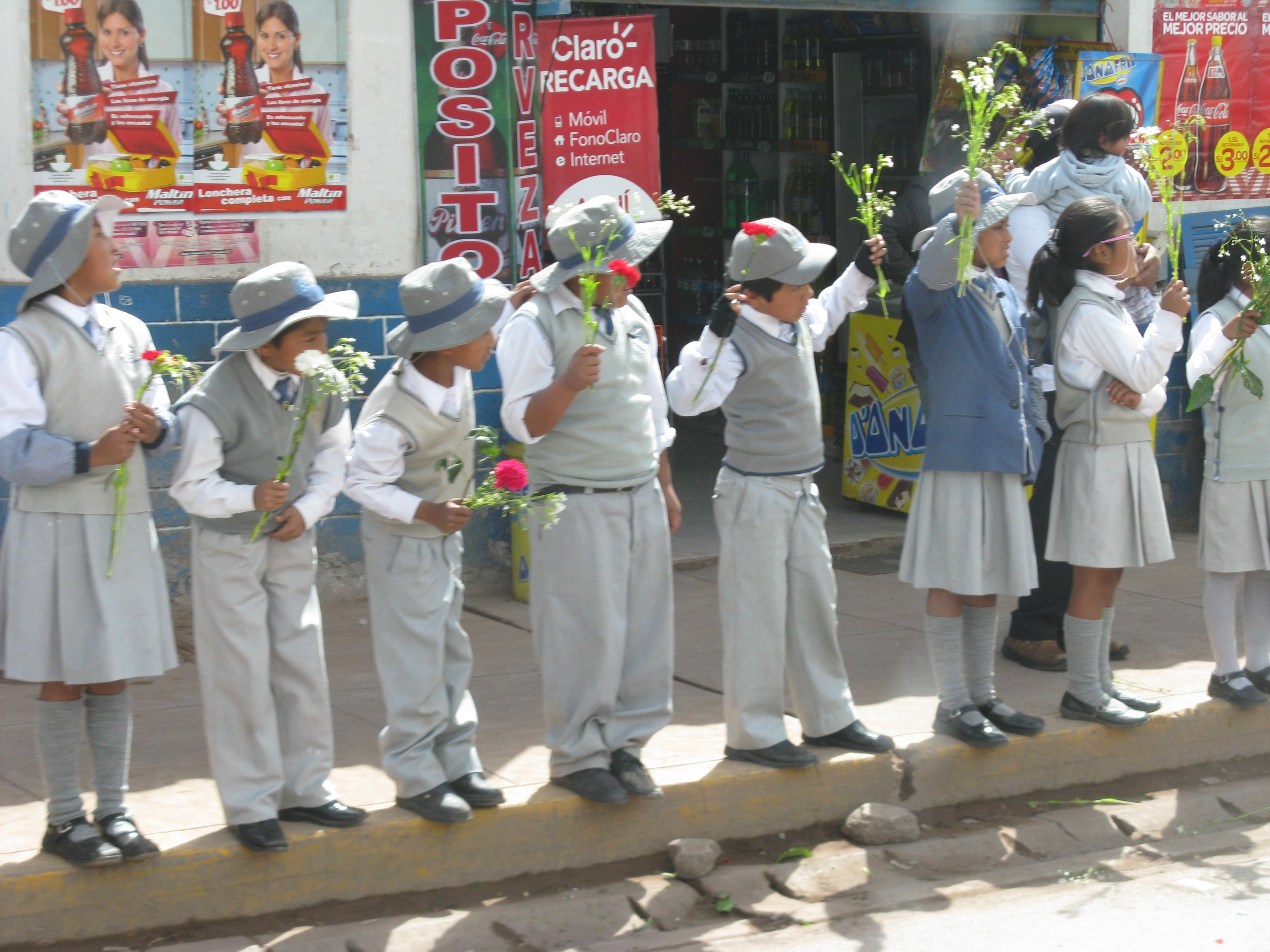
 And a local school
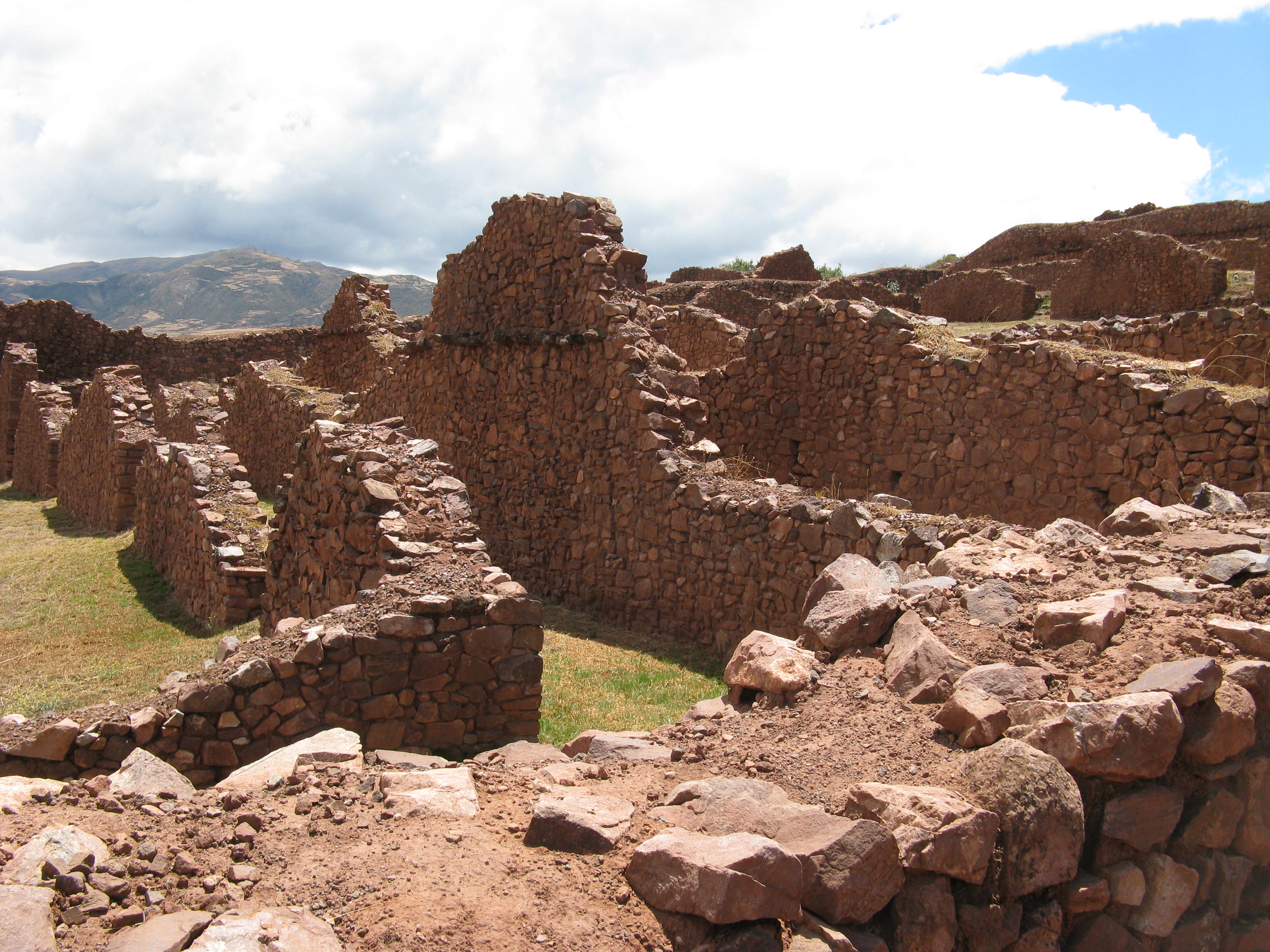
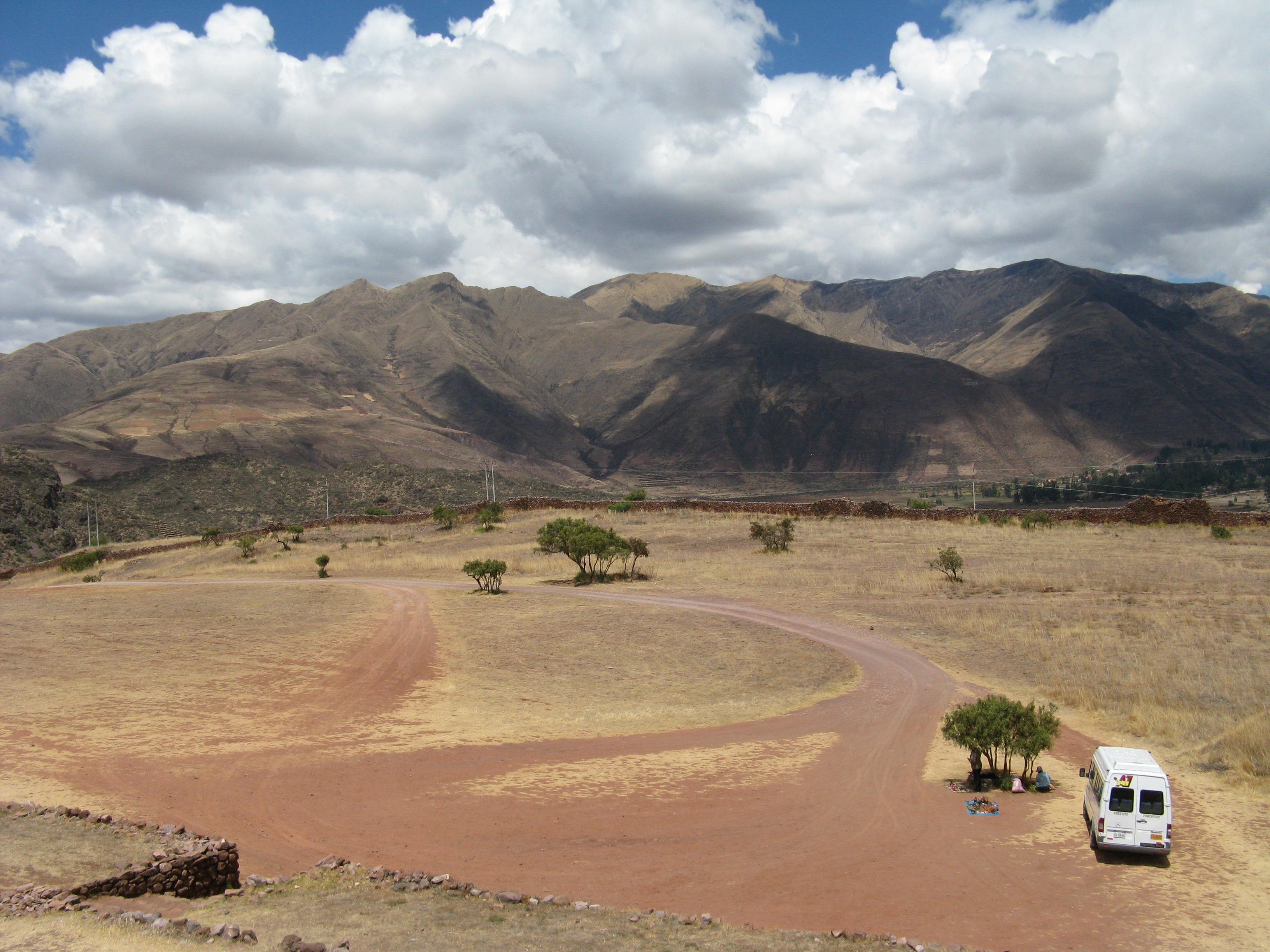
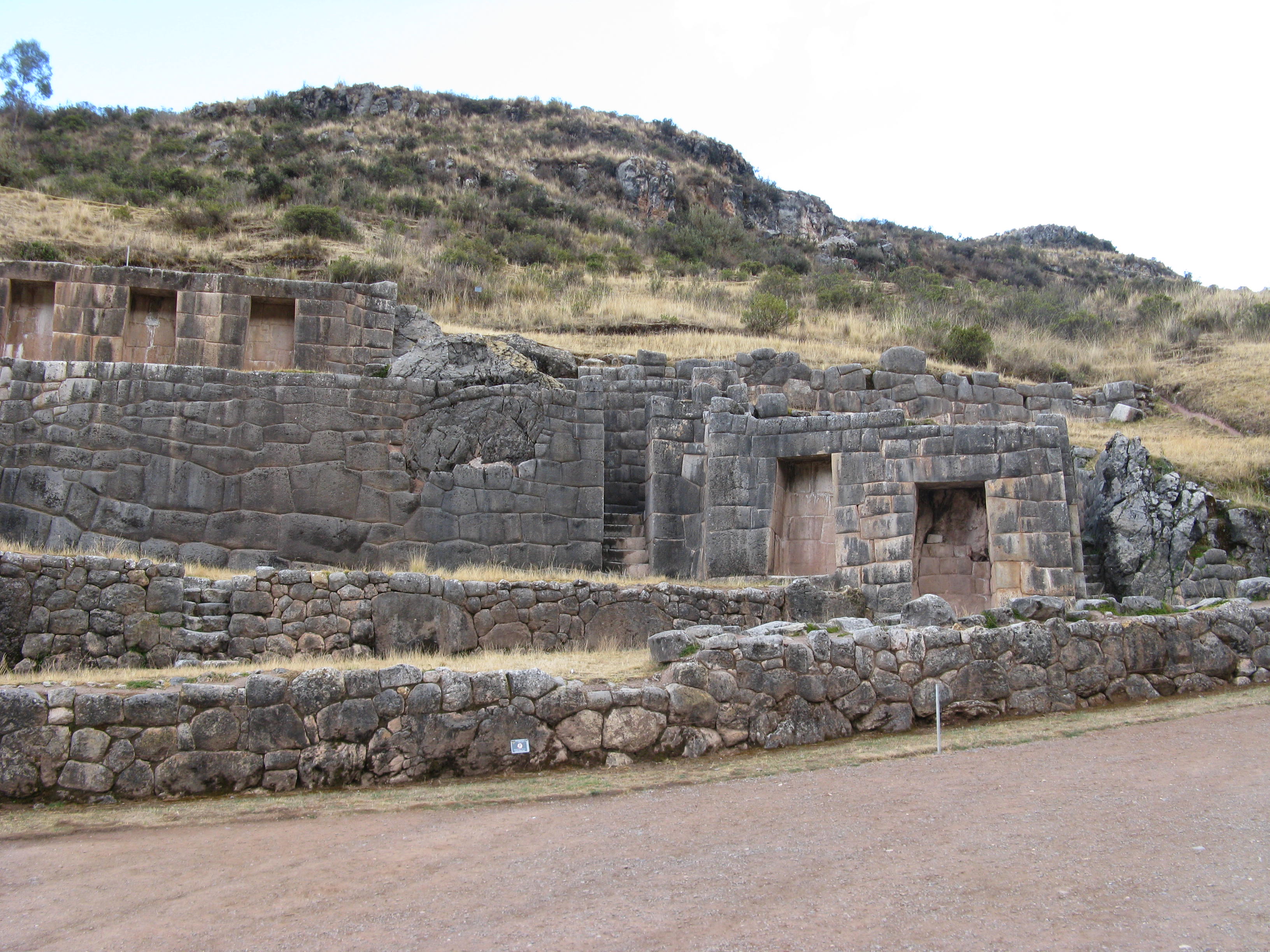
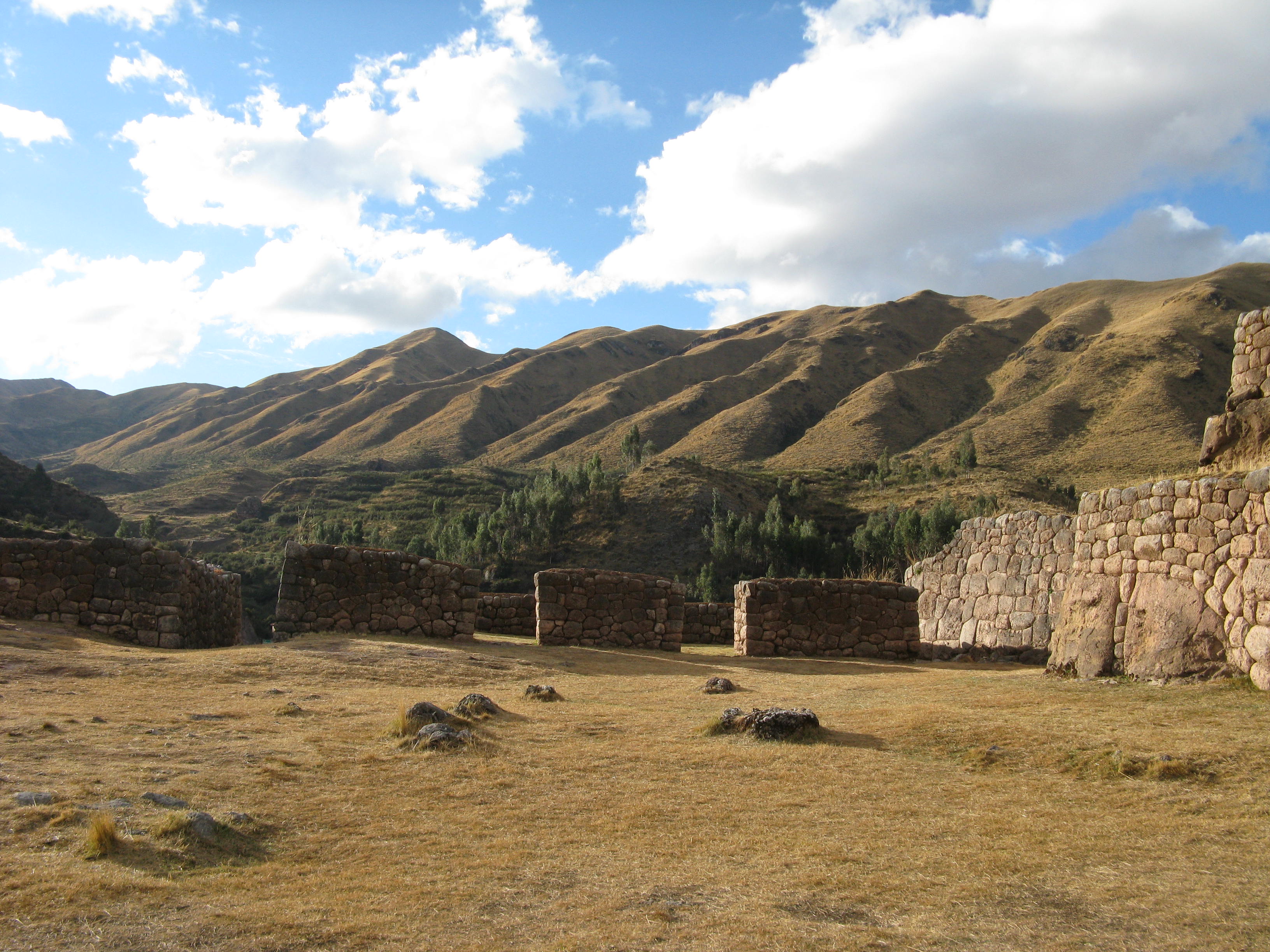
 The next day we took a tour to Pikillacta and Sacsayhuaman. At Pikillacta, you see an archaelogical site of the Wari people
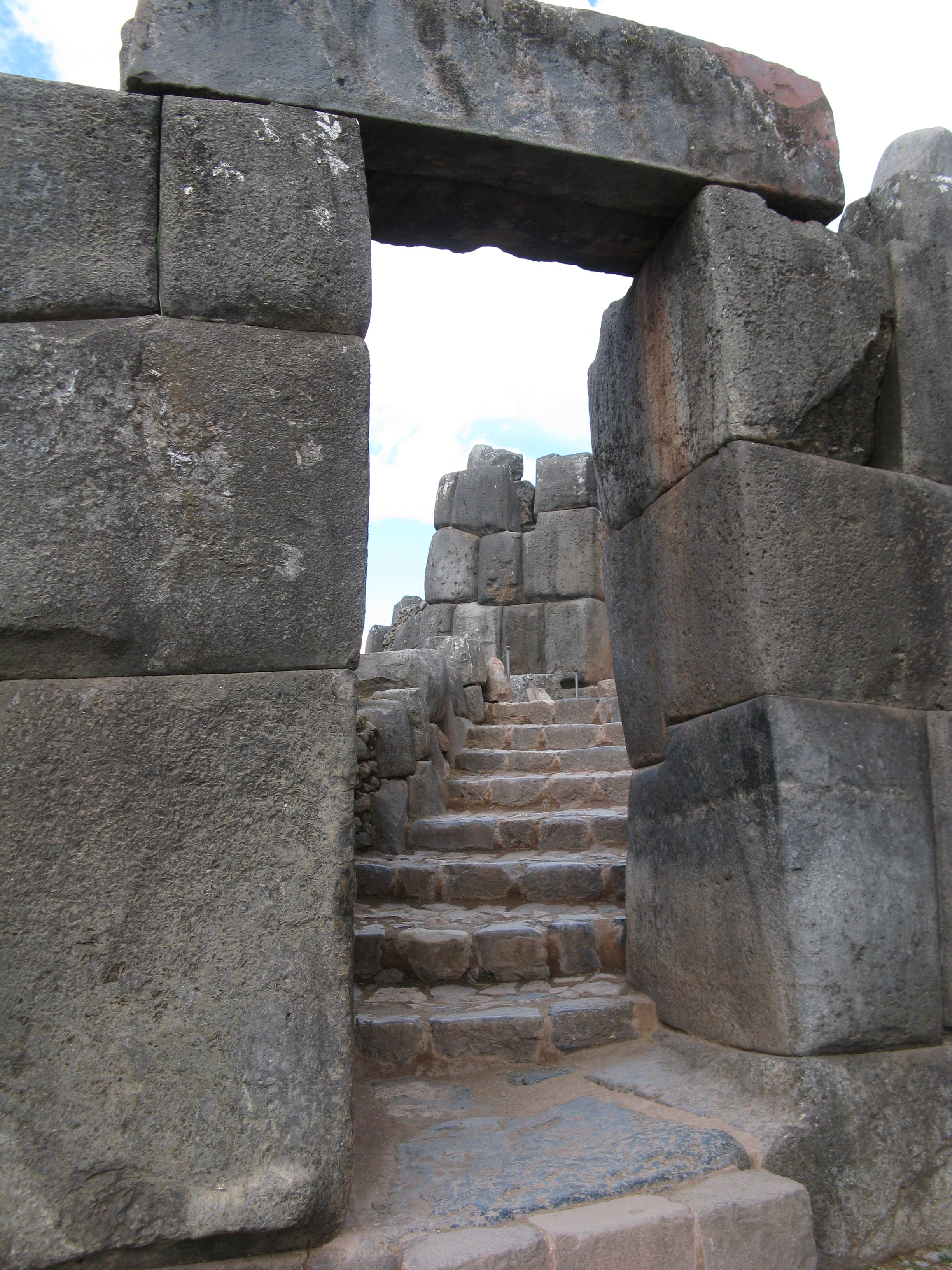
 But it was Sacsayhuaman that I was really interested to see.
 The construction is amazing, as there is no mortar between those stones
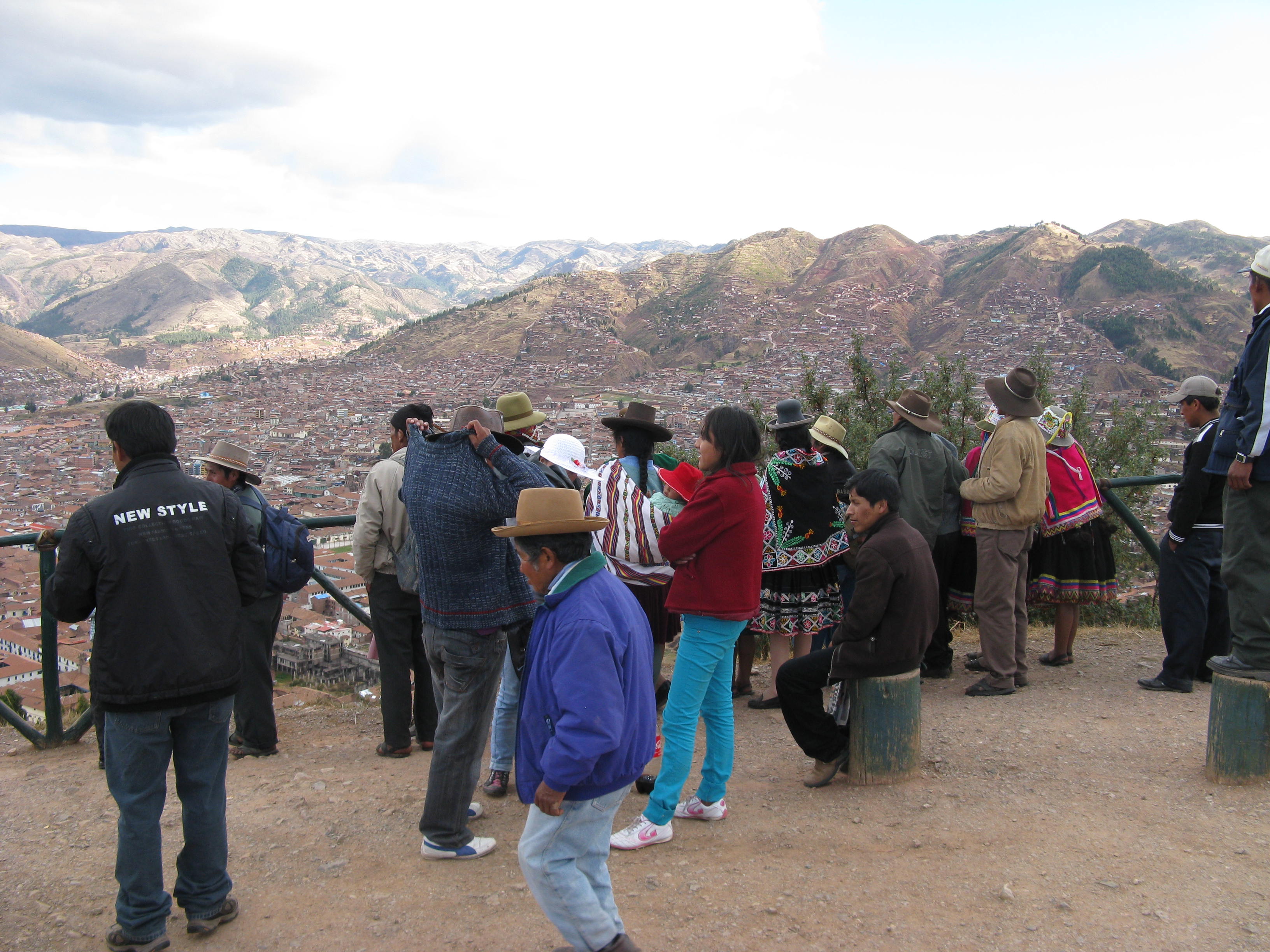
 From the top you get a great view of Cusco
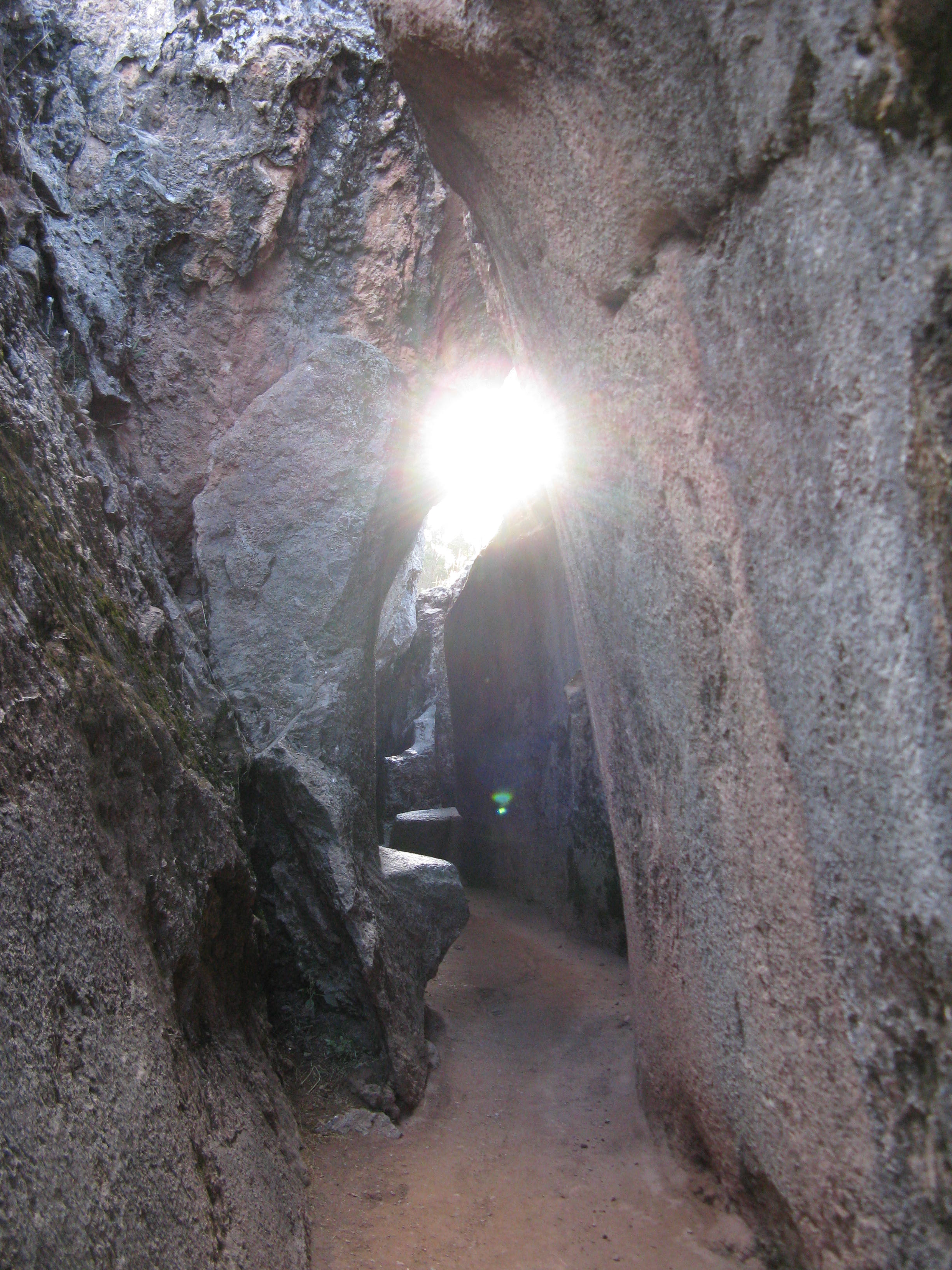
 We also visited the amazing holy site of Qenko.
 And I spent the next day in bed with Altitude Sickness! After Cusco, it was time to get on another train
 The Andean Explorer, which would take us to the border city of Puno, travelling through beautiful but totally empty scenery.
 Puno is a city with many thousands of students, and they were having an evening parade. We were warned not to go into Puno at night, because it wasn’t safe. But we couldn’t resist.


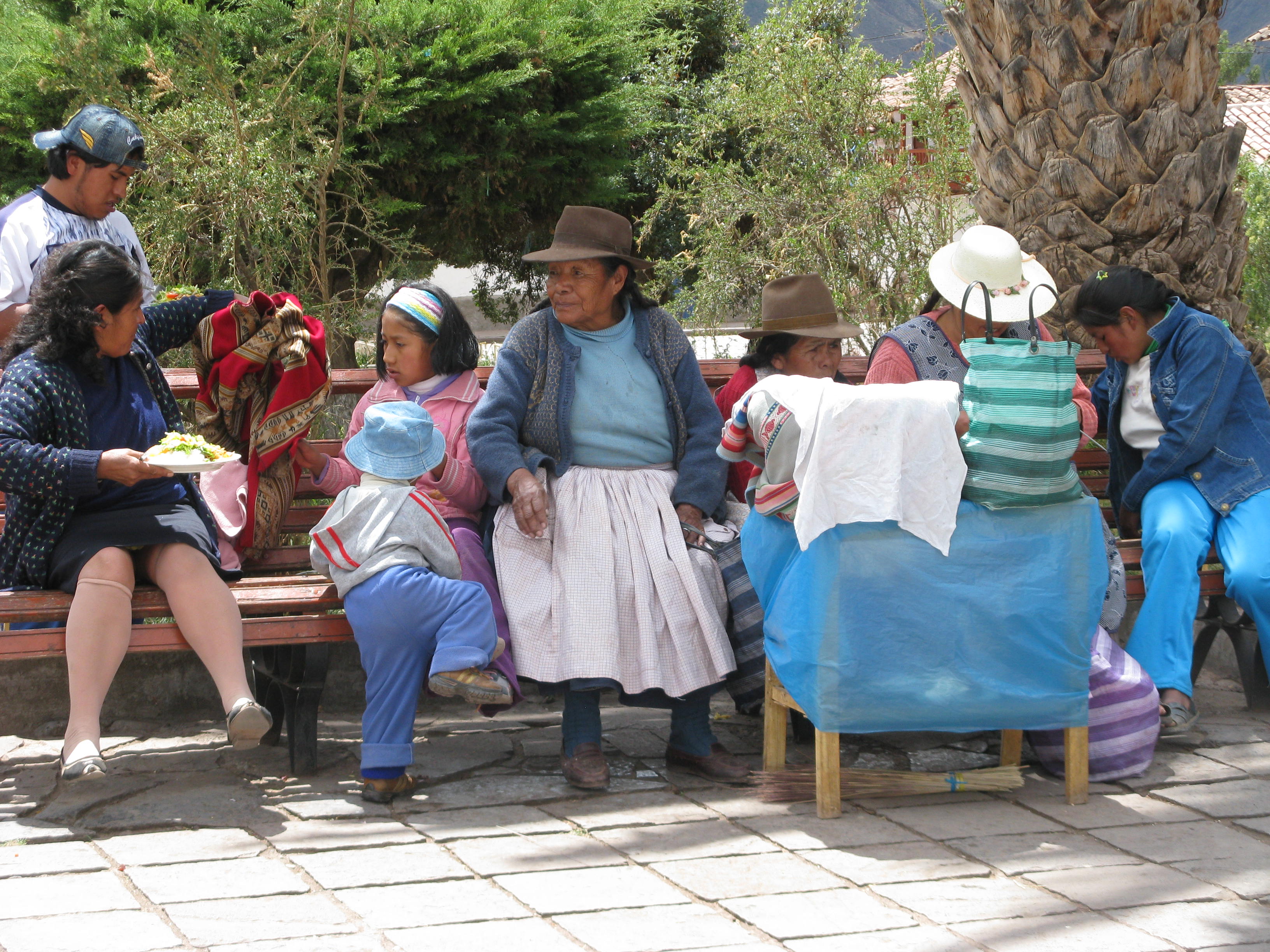
Felt perfectly safe to us! So I’ll leave you with a few typically Peruvian scenes and vibes.


Thanks for reading! Stay safe!