Bratislava, Slovakia – a weekend away – Sunday

Bratislava CastleThird and final day saw us braving the uphill walk to Bratislava Castle. To be fair, it’s not very far, although I expect those people who thought Slavin was beyond physical capability would need to pack at least some Red Cross supplies for the journey. You get some great views, not so high as Slavin, but more directed over the Danube and also over St Martin’s Cathedral. I’d read that the museums inside are a little dry and dusty and Mrs C isn’t a great one for museums, so we wandered around outside and admired the restoration, which is dead smart.

Primaciálny PalaceThen we dropped back down to the Old Town and thought we’d brave the inside of the Primaciálny Palace. It was a good move. For only 2 euros each, you get to see the inside of this 18th century palace, which has been very nicely restored. There is an attractive corridor of paintings leading to a view down on to St Ladislav’s Chapel, then back along the other side of the corridor to enjoy some splendid 17th century English tapestries depicting the story of Hero and Leander, before finally visiting the Hall of Mirrors (slightly disappointing, don’t expect Versailles) where the Peace of Pressburg was signed after the Battle of Austerlitz. A nice little interlude – not dry and dusty at all.

St Martin's CathedralThen we thought we’d take a look in the cathedral, which (as we had planned ahead) we knew would be open for tourists. As it was, we caught the tail end of a Christening service and lots of well dressed locals were all taking photos inside (which the notice on the door says is a strict no-no). So we pretended to be friends and relatives and took a few photos too (not of the baby though, that would have been intrusive.) It’s a nice little cathedral – very small, not over-ornate, and perhaps not very spiritual-feeling either. Nice vaults and windows though.

Camel PubIt was lunchtime so we decided to give the Camel pub on Ventúrska a try, as the man outside had been working very hard to coax people in. It seemed to have a good menu so we plucked up courage. It’s very small, but quite comfortable. When we arrived, the only other people in there were an English couple talking quietly to each other and two English ladies (in their 70s according to Mrs C) who were singing along to the songs on the MTV channel. Whilst we had our dinner, they serenaded us with their arrangements of Cockney Rebel, Hot Chocolate and even a bit of the Jagger/Bowie version of Dancing in the Streets. It was rather entertaining to hear them enjoying themselves!

A place to park your Penny FarthingBizarrely, when the food you ordered arrived, it came in through the front door. I guess it was prepared and cooked in the restaurant next door – but I don’t know for sure. Maybe they take your order, ring for a takeaway and just add a mark-up. It made the other English couple snort with laughter. I had a Wiener Schnitzel and it was massive – in fact there were two cuts of meat and they were both massive. Mrs C opted for a mushroom omelette, but even that (price 3 euros) looked mighty hearty. I had a Zlatý Bažant – lovely – she had a white wine – slightly disappointing from the look on her face.

Old TownTo take the taste away, we thought we’d have a little post-lunch drinkie, and, again on recommendation, discovered the Bratislavsky mestiansky pivovar on Drevená. We found at least two floors of bar and restaurant area, but there may be more. We probably should have eaten there instead, but nevertheless my homebrewed beer was cheeky and Mrs C’s white wine was acceptable. The service was good but not over-friendly. I can see how at night time it could become Definitely The Place To Be.

All StarsAfternoon nap – you guessed it – followed by a wash and brush-up and a final night on the town. Sunday night. How lively would it be? Not very. Some places we had earmarked for a return visit were in darkness. But first, we did want to catch some of the Carling Cup final match in a sports bar, and we found the perfect place – All Stars on Sedlarska. I’m not sure you’d go there for any reason other than to watch sport and drink pivo, but that’s as good a reason as any. From where I sat I could see nine TV screens in super-duper HD quality. The beer was jolly nice too. The wine, I’m guessing from Mrs C’s grimace, wasn’t exactly Chateauneuf.

PrimiAnd so to dinner, and we finally chose Primi near St Michael’s Gate. It’s very large and swish, and we were sent downstairs to the non-smoking level, which was very atmospheric and attractive. Our waiter was very understanding about the coeliac issue – and also very helpful and honest too, as we both initially went for the Shashlik and he advised us that actually it’s not very good and recommended some other dishes which were great. I had the Pork tenderloin steak with rice and vegetables and it was sumptuous. Mrs C had the chicken steak with a shallot sauce and potatoes. Looked great. The waiter recommended a bottle of Slovak Cabernet Sauvignon at what appears to be the standard posh restaurant price of 29 Euros, and it was extremely good. For pud Mrs C had the hot berries and ice cream again (safe for coeliacs) and I had the Hot Choco Sticky Cake which was pretty darn magnificent. All in all we thought it was a really nice restaurant, and I expect in summer its outside seating areas would be fantastic.

Cafe VerneWe decided to go to the Slang Pub again but it was shut. So we went to the 17s bar and had another nice glass of red each. It was quiet in there though, and despite the sign on the door that said it would remain open until midnight, come 10.30 they decided to wrap up for the night. A bit early we thought, even though we had a flight the next morning! So, desiring to the extend the evening just a little bit further, we moved a couple of buildings along and ventured into Café Verne. I had read this was a great little place except that the service was poor. Well we found the service to be perfectly fine, and the wine was nice, although perhaps not quite as good as 17s. But by 11.15 they too had had enough and we were the last to leave, despite their opening hours being till midnight. Is Partyslava beginning to face hard times? Is the tourist pound/euro on the wane?

Quirky BratislavaSo to sum up – Bratislava: quirky and charming, excellent for food and drink; good for the arts; the attractive Old Town is all pedestrianised and easy to get around; without venturing further afield three days is more than enough to do it at a nice leisurely pace. If there are more good deals at the Marrol’s hotel, we’ll be back for more self-indulgence!

Bratislava, Slovakia – a weekend away – Saturday

Coeliac shopThe next morning we awoke bright and early and headed off in search of further sightseeing delights. What we didn’t realise was that a mere minute walk to the left out of our hotel was a Coeliac shop! Not selling coeliacs, no, but just gluten-free food. Mrs C was therefore able to stock up on gluten-free versions of those delicious wafers and other snack goodies. It’s only a little shop, so if you’re in need of gluten-free food in Bratislava, do drop in. It’s at Medená 19 and is called Bezlepkový svet.

Slavin MonumentWe thought we would walk all the way to the Slavin Monument and then wind our way back to the Old Town. The Slavin Monument is dedicated to the soldiers of the Red Army who died in the liberation of the Slovak lands in World War II. You might read on trip advisor about people walking there who said it was a hard slog and it takes ages. Hmmm; these people can’t be very fit. I think it took us about 45 minutes to walk up the hill from the Old Town, past all the posh houses and ambassadors’ residences, and get to the site. I’m sure you can manage it.

CemeteryOn the way up we found a little cemetery off Sulekova, which made for an interesting fifteen minute detour; quite higgledy-piggledy, with functional and elegant rather than over-ornate graves. We were surprised that very few of the graves contained a photograph of the dead person; very different from our memories of Austria.

Slavin gravesWhen you get to Slavin, it’s very peaceful and respectful, quite rightly. Neat lawns (brown) are surrounded by 278 small gravestones, each bearing the name and rank of their late soldier. With my faltering understanding of Russian in Cyrillic, I could pick out a Smirnoff, and some Captains, Lieutenants and Aviators. The view over the city is splendid. I found it quite moving. A few locals were paying their respects, side by side with some skateboarders taking advantage of the wide approach to the monument.

Cabinet officeWe took a long set of steps down to Namestie Slobody (Freedom Square) which looks like it was once very grand and is now a bit of an anachronism; very wide, very 60s, and with a central fountain that doesn’t seem to work. Opposite it is a very attractive building, which I now discover, with the use of an online translator, is the Cabinet Office. No wonder it looked quite high security. A little further along and you enter the gardens of the President’s Palace – the Grasalkovič Palace. The gardens are elegant but simple, but the back of the building isn’t anything special. It’s much more attractive from the front, with its proud flags and swish gates. Police were cruising as we took our photos, but we had purely tourist motives, honest.

Grasalkovič PalaceIt was too early for a heavy lunch – all meals in Bratislava are heavy – so we found a really smart place to have tea and play with the wifi, – Café Dias on Poštová. Very comfortable, good value and nice toilets too. Two English Breakfast teas, including a little pot of honey and a sweet creamy profiterole come in at under 4 euros.

Church of the TrinitariansWe checked out the baroque Church of the Trinitarians on the corner of Zupne namestie, but it was closed. We then dropped down to the SNP Namestie, which has nothing to do with Scottish Independence, but commemorates the Slovak National Uprising, the anti-Nazi resistance movement. It features some quite stirring statues and a big block of Slovak text engraved on a grey stone wall.

Slovak National Uprising SquareFollowing a tip-off that Obchodná is “where it’s at”, we wandered down that street which in the cold light of day is rather drab and run-down. It has all the signs of being the kind of place that comes to life at night – but still didn’t look particularly welcoming. We took a couple of pictures and moved on.

ObchodnaRound the corner we discovered a church that was open! It was the Church and Convent of St Elizabeth on Spitálska. It was nothing special on the outside but boasted baroque splendour inside, including a stunning ceiling. We carried on back into the Old Town, past the Primaciálny Palace, and into the Hlavné Namestie, where we took funny pictures with the Napoleonic guy who leans against a bench.

Church and Convent of St ElizabethDefinitely time for lunch now, and we wandered into this place called the Minerva, on Michalská. It’s underground and very atmospheric. The service was very friendly and the food was good – Mrs C and I both ordered the Grilled Trout and it was massive. A large Krusovice and a white wine for the lady. We met a couple of very nice American girls who sounded relieved to hear some other English voices. Everyone seemed to have a good time – ideal for tourists and locals alike.

NapoleonThere’s nothing you can do after a heavy lunch but sleep it off. But we couldn’t rest too long as we were due at the National Theatre for Eugene Onegin. It was a very enjoyable evening, more of which elsewhere later.

Carnevalle RestaurantWhen you emerge from the theatre at 9.45pm food is a desperate requirement. We decided not to look too far, and picked Carnevalle on Hviezdoslavovo Namestie. We knew that it would be expensive and potentially a tourist trap, but it was a risk we were prepared to take. We found the service extremely friendly but polite; we sat in the conservatory area adjacent to the square which was comfortable and warm; we went for the Garlic Lamb Shank which was delicious, sharing some rosemary potatoes and grilled vegetables, washed down with the waiter’s recommended wine, the Dunaj, which, at 29 euros was quite expensive, but was also the cheapest of the Slovakian red wines on offer, and was completely yummy. In the absence of a gluten-free dessert on the menu, the waiter suggested to Mrs C a fresh-fruit salad, and it appeared massive and exquisitely fresh and tasty. I had the Lemon Meringue pie which was very nice. I’d have no hesitation in recommending this restaurant if you’re after a less pubby type of atmosphere. It was the most expensive of our meals in Bratislava but certainly no more than you would pay for something similar in London.

We ended up at the 17s bar again afterwards for a nightcap. You probably think we have a drink problem.

Bratislava, Slovakia – a weekend away – Friday

Bratislava Old TownWhy Bratislava? Well, we’ve not been there before; it’s a European capital city; we know some friends who enjoyed it; and we liked Prague back in 1997 and thought it would be similar. On the downside the only direct flights from the UK to Bratislava are with the dreaded Ryanair. So you have to head off to Luton Airport, determined to stand up for yourself if weight/size restrictions raise their ugly head, making sure you don’t voluntarily fall for any of their costly extras. The last time we flew from Luton, a few years ago, the airport itself was a complete nightmare. Overcrowded, and with the opportunity (can you believe it?) of paying a premium to fast-track the security checks. Fortunately it was a much more pleasant experience this time; Mrs Chrisparkle’s only negative observations are that there are too few toilets. Otherwise the shops and restaurants were sparkling and welcoming at 5.30am and it got the weekend off to a comfortable and enjoyable start.

Marrol's HotelOur hotel was Marrol’s on Tobrucka. We went for it because it was No 1 on Trip Advisor and they seemed to be doing good deals. We elected to pay for their limousine transfer to and from the airport, which was a little expensive, but a very relaxed way to arrive in town. The driver loaded our one suitcase into the back of the car. “Only one suitcase?” questioned the driver slightly jealously. “You have a very practical wife, yes?” We sensed his wife wasn’t that practical.

DanubeOn arrival at the hotel we were treated with genteel charm from the start. As Ryanair got us there so efficiently (I hate it when they are so smug about it though), we arrived at the hotel hours before check-in officially started. Nevertheless, we were given our room key straight away. A welcoming glass of Hubert Brut at reception was a very nice gesture. Hubert Brut is the local Sekt and appears on every menu and is actually quite delicious. But if you ask for it in a bar or restaurant, the waiter goes away and comes back a few minutes later saying they haven’t got it and offers you the sweeter Hubert Deluxe instead. I think I got a small glass of the sweeter version somewhere once – it was cloying and a bit yukky. Get the Brut if you can.

Milan Rastislav StefanikThe room was smaller than we expected but extremely well furnished and even came with a complimentary minibar. The bed was very comfortable. The bathroom was slightly faded glory but Mrs C loved it. The TV could get hundreds of channels. Our daily breakfast was lovely – fresh juice, lots of tea and coffee, great bread, lovely cereals, good cooked eggs, bacon and sausage – you could spend a long time there stocking up your body for the day ahead.

Blue ChurchOur first sightseeing trip on the Friday morning was to find the Blue Church – or St. Elizabeth’s to give it its proper name – on Bezrucova. It’s very beautiful from the outside, like it’s covered with Wedgwood icing. As we were to discover with nearly all churches in Bratislava, it was closed apart from during services. And one doesn’t feel comfortable – or welcome – plodding round a church whilst people are praying. We were able to sneak a look inside though, and all the pews are blue too. And the doors have very elegant handles. All very charming and bijou.

Slovak National TheatreWe had booked in advance to see the Slovak National Ballet on Saturday night so we made our way to the new theatre on Pribinova. I’d got a bit confused with their official online ticket selling site, so emailed them and a very helpful reply contained a reference number that I could just give to the box office lady and the tickets would be mine (on payment of an incredibly reasonably 12 euros each.) Alas, when we got there, we were told the performance was cancelled. So much for “the show must go on”, then. She did, however, offer us tickets for the opera – Tchaikovsky’s Eugene Onegin, which was to be performed on Saturday at the grand old Slovak National Theatre. 25 euros for those tickets. We said yes. I’ll blog about our opera experience later!

Eurovea GalleriaBack outside we found ourselves at a swish new shopping centre – the Eurovea Galleria. Talk about home from home: Debenhams, Next, Marks and Spencer… no Primark though. Marks was astronomically expensive, but Debenhams remarkably reasonable, and Mrs C emerged from their concourse one Biker Chick Jacket to the good. From the centre you can drop down onto a path alongside the Danube. There’s some rather nice statues of a lion and of Milan Rastislav Stefanik, Czechoslovak minister of war 1918-1919, in aviator gear there, but the thing that surprised us most was how brown the grass was. It was a feature of the town in general – wherever there was a wide grassy open space, you won’t find anything green growing there. Some very swanky new apartments down there with Danube view; very desirable I should imagine.

Slang PubAfter all that shopping excitement, it was time for lunch. We made our way to the catchily named Hviezdoslavovo Namestie, (to be fair it is named after Mr Hviezdoslav, Slovak poet and dramatist) where we found the theatre but more importantly some bars and restaurants. That lunchtime we chose the Slang Pub. Regular readers might recall that Mrs C is a Coeliac, so we have to be careful to avoid that awful gluten stuff. We feared it might be difficult in Slovakia, as our memory of Prague fifteen years ago is that it was all dumplings and goulash, beer and pretzels, all of which are no-go areas. We need have not feared. Firstly, in our entire time in Bratislava, we did not encounter one person who could not speak English. That was very helpful. Secondly, they all seemed very clued up on Coeliac’s disease, and as soon as it was mentioned said things like “ah yes, I know” or “I personally have a nut allergy” or “no bread for you then Madam”. So Mrs C had a delicious looking (and she confirmed it was delicious-tasting too) chicken breast with bacon and cheese melted on top, and I had a goulash. Mine was washed down with a lovely Zlatý Bažant beer, and Mrs C had a white wine. It was very friendly, comfortable and good value at 22 euros for all that including a tip. We said we would go back. As it happens, we didn’t.

Mr HviezdoslavWe wandered around the square and were amazed at how quiet it all was – very few people on the streets or in the bars and restaurants. It must all come to life tonight, we thought. It’s a very nice square, or rather an oblong, nestling at the southern end of the Old Town, full of attractive old buildings, with curious streets coming off it, some statues, and the US Embassy to boot. At the far end you can get a glimpse of the new bridge with its odd UFO pod hovering over it, which I understand houses a very nice but vastly pricey restaurant, which we felt we didn’t need to fork out for.

Slovak FilharmonikSome of the Old Town buildings stand out as really beautiful – I thought the Slovak Philharmonic in particular looked great, and I was sorry they weren’t performing that weekend. Sadly, a lot of the backstreet areas have been subjected to appalling graffiti. Some of the buildings in the Old Town reminded me of those rather stately homes in the East Village/ Greenwich Village areas of New York.

Reminds me of New York An afternoon nap called, especially as we had been up since stupid o’clock. So when we later headed out at night to find pre-dinner drinkies, we found ourselves at a place called Café Hemingway on Klariská. It looked great from the outside. Then we went in, and were slapped in the face by a vast swell of cigarette smoke. One gets so used to the smoke-free nature of going out in the UK that the thought of sitting in a smoky atmosphere is now beyond imagination. My guess is that if you’re a smoker, the Café Hemingway looks like a perfect place to relax.

Man at WorkSo we started reading the signs on the doors. A cigarette symbol means you can smoke inside, a struck through cigarette means you can’t. I think if there is no symbol it means they have separate smoking and non-smoking areas. A couple of doors down we found quite a modern elegant bar called Twenties. We tried it. We ordered the Hubert Brut and they didn’t have it. Instead we tried some other white wine and it was super. They have a restaurant at the back which we didn’t check out but the vibe felt good. We thought we would come back. We didn’t.

Castle by nightWe walked up the steps and turned right towards Zupne namestie. There we found a little treasure, a restaurant called Pulitzer. And I wouldn’t be surprised if it did win some awards. It’s great. We ordered the Hubert Brut, they didn’t have any. But they did have some lovely Krusovice beer which I remember from Prague as being sweet and juicy. It still is. Mrs C had a white wine (again) and was beginning to realise that your average white wine in a bar or restaurant in Bratislava is likely to be not quite cold enough and not quite dry enough. The proof of the pudding though was in the eating. I had chicken stuffed with spinach and tofu, with the nation’s speciality gorgeous roasted potatoes in rosemary. Mrs C had the Garden Salad and pronounced it divine. Then for dessert I had Šúlance – dumplings in a sugar and poppy seeds mix, which was slightly odd but very tasty. Mrs C plumped for hot berries in ice cream. The place had a very trendy, studenty feel to it, and was ridiculously cheap for the amount we ate. Loved it. We said we would go back. We did – but it was closed, so we didn’t.

17s bar Time for post-dinner drinkies and we discovered the 17s Bar back down on Hviezdoslavovo Namestie. An excellent little find. We ordered the Hubert Brut. They didn’t have any. But they did have other very nice wine and beer at a very reasonable price. Friendly and welcoming, exactly the kind of bar you would associate with Bratislava or Prague. We said we would go back. We did, every night. But we remained surprised how quiet late night Bratislava seemed to be. Where were all the stag parties we had read to fear about? To be fair, we saw one bunch of drunken youths earlier on in the evening, but that was it. Doubtless Saturday would be busier.

South America – Brazil – Rio de Janeiro

Copacabana BeachAnd finally we come to the last stage of our South American jaunt, two nights in Rio de Janeiro. I’m sure when you think of Rio, you think of sun drenched beaches, beautiful people in skimpy swimming costumes, carnival extravaganzas, and all that kind of thing. Well we were in Rio for what was apparently the last two days of winter; and although you can have winter sunshine, it isn’t guaranteed! We were lucky for our first afternoon but the last two days were overcast, misty and a bit drab. Nevertheless I had reserved my jolliest sunniest shirts for these days in Rio and I wasn’t going to be deterred from wearing them.

Porto Bay HotelOur hotel was the Porto Bay and it looks a little like an office block from outside; actually it feels a little like an office block on the inside too. The rooms are functional rather than exquisite; but the rooftop swimming pool and bar has a wonderful view over Copacabana beach, even though we had to experience a Force 10 Gale to witness it. The dining room also overlooked the sea and our balcony did have a side view of the beach, which did feel rather special.

Copacabana Beach from the NorthOur travel guide was a very hearty lady who hated Argentineans. It was because of the football, she said. The Argentineans hate the Brazilians equally, she opined in self-justification. I’m not sure if she was expecting a barrage of post-Falklands War approval of this stance from a busload of Brits, but Mrs Chrisparkle and I looked on in slightly disturbed bemusement. Regrettably I can’t remember her name, but she was also very concerned for our safety on the big bad streets of Rio. Once we had all checked in to our hotel rooms, she insisted on walking us round the block – which took maybe all of ten minutes – showing us which shops were safe to use, where you could change money, where it was safe to eat, where it was safe to cross the road…. If we weren’t worried about crime beforehand we certainly were afterwards!

Nice view to have lunch bySo what else could we do having arrived in Rio on our first afternoon – where there were indeed some rays of sun – but have a wander on Copacabana beach. It was a bit of a challenge to get something gluten-free for lunch, so we ended up with a couple of plates of chips and a glass of wine adjacent to the sand. It was slightly bizarre to be having chips, and the wine was frankly disgusting, but the whole experience was strangely lovely. Cheerful beach sellers peddled their souvenir wares; for the most part a happy “no” sent them away merrily. People were drinking – a non-alcoholic drink apparently – out of hollowed out coconuts. It all looked very exotic.

Fun on the beachWe thought we’d go for a walk on the beach. Dear reader, this world is divided into two types of people: people who naturally look great on beaches, and people who don’t. Regrettably, Mrs C and I fall into the latter category. We kicked off our shoes, still wearing shirts and jeans, and picked our way past all the bronzed beauties wearing costumes barely wider than a shoelace. We couldn’t have stuck out more if Mother Teresa were playing beach volleyball with us. Nevertheless, walking on Copacabana beach is Something You Have To Do, it’s very comfy sand, and it was fun.

Copacabana Beach by nightWe met up with some of our fellow intrepid co-travellers for pre-dinner drinkies at the posh hotel next door, the Copacabana Palace. The “Rock in Rio” festival was taking place at the time, and many of the performers were staying at the hotel. I think Elton John was there. He didn’t go down for drinkies though, which is a shame, because I think he’d have liked it. We did; it was all very elegant and pampering, and you felt privileged and refined simply by being there. For dinner we decided to try the rather brusquely named “Arab” which has a good reputation for its Middle Eastern and Indian food. It’s certainly true that the food was delicious – but we had no idea what we were eating as nothing that we ordered from the menu appeared to arrive on our plates. Talk about confusing! When you look at the food you’re offered, and then you check with the description on the menu, and nothing seems to tally, you wonder if you’re mad or they are. It’s also hell for a coeliac, so rather than risk a nasty attack I think Mrs C pretended she wasn’t hungry and survived the whole evening on some plain rice and a plum. And it took for ages to come. And they got the wine wrong; in fact absolutely everything about it was a disaster apart from the actual taste of the food, which was great. Most bizarre. The waiter laughed about it afterwards. Lucky to have such a developed sense of humour.

Christ the RedeemerNext day was our Grand Tour of Rio. In the mist. It didn’t occur to me that going all the way up Corcovado to see the statue of Christ the Redeemer and its stunning views over the city isn’t going to have quite the same effect when you can barely see three feet in front of your face. The train ride up is full of hope and expectation – mutterings like “it will clear” and “it’ll still be exciting” and “well we’ve been very lucky with the weather so far” abound – but actually at the top it was cold and bleak. There were still hundreds of people up there all jostling for the best photo position. Instead of concentrating on the stunning view, you look up and feel very dominated by the statue of Christ, which takes on a rather eerie nature as it looms up out at you from the grey. I expect in the sunshine it’s quite a reassuring sight. In the mist it felt a bit scary.

Cable Car on the Sugar LoafOur chummy guide reminded us that the weather was going to deteriorate later on, so she wanted us to press on and go up the Sugar Loaf Mountain “whilst there was still some point in doing so”. You ascend the Sugar Loaf by cable car and jolly exciting it is too. Actually, the weather wasn’t so bad at this point and we got good views all around. There is one particular viewpoint where you can pose with your loved one and Rio unfolds behind you in a most picturesque way. There was quite a queue for this vantage point, but, undaunted, our guide hustled and bustled her way to the front of the ledge. With one hand she refused entrance to other lesser tourists and with the other she took Pulitzer Prize winning portraits of her group. Borderline aggressive she may have been, but she sure had her uses. There’s not a lot up there on top of the Sugar Loaf to be fair; it’s mainly to say that you’ve seen it, and the views are magnificent. After about twenty minutes or so you’re happy to re-descend and go for lunch.

Downtown RioLunch was at a magnificent place, the restaurant A Mineira. I realise now that it is one of a chain so I can’t say which branch it was that we visited, but it’s an extensive authentic buffet, absolutely full of delicious food, and you pay one price to eat as much as you like. It was absolutely gorgeous – we’d really recommend it. Our guide firmly told us we had to try as many different types of unusual food that we could find; so I was only obeying orders.

Cathedral Our next stop after lunch was the cathedral. It’s a very modern affair, and rather put me in mind of the Metropolitan Cathedral in Liverpool. It’s an interesting shape, like a huge wigwam. The stained glass windows are astonishing; vivid and huge, soaring up the sides to heaven itself. From inside, you look up to the centre of the ceiling to see a large stained glass cross, The cross in the ceilinga most effective use of the medium. The bell tower outside looks rather weird – a little like one of those emergency staircases at a firestation. Well worth a visit. Not far from there is the Theatro Municipal, adjacent to a nice little square where some kids were learning samba. Very jolly, it offered a nice photo opportunity.

Escadaria SeleronThe final sight we were taken to was the Escadaria Seleron. This is a big set of stairs that the artist Jorge Seleron has decorated with colourful tiles from around the world. It’s a burst of vibrancy in an otherwise dull neighbourhood, and it’s fun to inspect the tiles and see if you can find any from places you’ve been to. You can clamber all over them too. It’s an unexpectedly bizarre source of cheerfulness and pizzazz that attracts lots of visitors. A cautionary tale though: one of our intrepid co-travellers was photographing the staircase when a passer-by tried to steal her camera by simply pulling it from her hand whilst she was taking the picture. Fortunately she had the cord wrapped around her wrist, so they didn’t get away with it. Hurt her wrist though, I think.

Samba kidsWe found a very nice place for a drink round the corner of the hotel – an authentic wine bar type place called La Fiducia. It’s obviously an annexe of the pricey looking restaurant on the other side of the road. It looked quite expensive but very smart; and according to the wine list they had wines at all prices so I thought we’d try a bottle of something mid-priced. They didn’t have it – in fact we had quickly realised that nowhere in Rio has half of what they put on their menus. But they suggested an alternative similar bottle, whisking the wine list away from under my nose as they went off to get it. They brought it to the table. Fortunately, before I they started opening it, I recognised its name from the wine list as being one of their most expensive wines (something like £70 a bottle). NO NO!! I shrieked, that’s ridiculously expensive! There was a distinct look of disappointment on the waiter’s face as he realised he’d been outwitted. I chose again and managed to get away with a (relatively) cheap bottle at about £30. Phew. That was close to an International Rip Off Incident that could have had Unfortunate Consequences.

Copacabana on Sundays For dinner we thought we’d try one of the places further along Copacabana beach and after a few false starts, found a little gem called Deck. The food, drink and atmosphere were all great. They also spoke English well, a surprisingly rare commodity in Rio. It was just what we needed – so much so that we decided to go back there for lunch the following day. It’s not sophisticated; just seasidey and welcoming.

Only in Rio That takes us to our last day in Rio – and indeed in South America – which was a Sunday. From Monday to Saturday the main road that separates Copacabana beach from the hotels and restaurants on the other side of the road is a maniacally overcrowded thoroughfare, requiring adept powers of traffic prediction and heaps of good luck to get across safely. On Sundays, they change the city’s traffic flow so that this road is pedestrianised. And what a welcome sight it makes! Joggers, pushchairs, dog walkers and even tourists all have a day of safety and free movement. Copacabana MarketWe walked to the north end of the beach and around the little headland that offered a great view back on to Copacabana. On our way back to Deck for lunch, we stumbled upon a local market, selling all sorts of day to day stuff for locals – food, kitchenware, haberdashery, even goldfish in little plastic bags like you used to see at the funfair. Our trip back to Deck didn’t disappoint, and we sauntered back to the hotel to await our transfer coach, sad to leave Rio and South America behind, but satisfied in the knowledge we’d had an excellent trip.

South America – Argentina and Brazil – Iguassu, Iguazu or Iguacu Falls

Sheraton HotelCuriously, for a resort that appears to have only two hotels within its boundaries, Iguassu Falls benefits from two airports. Coming from Buenos Aires, we touched down on the Argentinean side around noon and swiftly found our way to our hotel, the Sheraton, the only hotel in the Argentinean side of the resort. It’s a beautiful place to stay, and it’s worth forking out the extra packet to have a Falls view room. This provides you with a balcony looking out over the back of the hotel, towards the paths that lead down to the Falls, as well as a distant view of the Falls themselves.

Iguazu Falls Our afternoon tour was to have an optional extra, namely getting on a boat that would take you as close to the underneath of the Falls as it dared. Take this option, we were advised, if you want to have some fun and excitement, and also if you want to get extremely wet. In for a penny; we therefore opted to wear swimming costumes for our trek down to the Falls. As we were looking at a distinctly open-air day, with little in the way of spending opportunities – or so I thought – and the prospect of much drenching – I took no credit cards and just a modest amount of cash.

Iguazu Falls at a distance So here is my salutary tale. Our afternoon guided tour of the Argentinean Falls started with a non-included lunch. On the way down to the little railway halt that takes you to the main paths there are a few “restaurants”; the inverted commas hopefully sum up the quality. We were to have our lunch here before heading on. The choices were a fast food outlet that was a complete misnomer as the queues to the counter were about thirty tourists deep; or an aircraft hangar buffet restaurant, where at least there was no queuing. We chose this option. The food was below average, the atmosphere zoo-like, and the cost exorbitant. Having just brought what I thought would be sufficient for a light lunch, I found myself in the embarrassing situation of not having enough pesos to pay for this culinary delight, thus having to throw ourselves on the mercy of one of our intrepid co-travellers to bale us out of our spot of cash bother. Considering we had only ten minutes earlier left the welcoming sight of the Sheraton’s quietly elegant dining room, the bill for which could easily have been signed away without needing to take any dosh out, the decision to plonk us in this tourist trap hellhole was appalling.

Hordes heading towards the Garganta del DiabloSo therefore it was in a rather disgruntled mood that we hit the queue for the little train, which was a surprisingly hit-and-miss arrangement, but we did eventually reach our first destination, the Estación Garganta del Diablo, from where we take our first real trek to the Falls.

It has to be quite a wide path in order to cope with the large numbers of people heading out to the Falls and back again, so at first you don’t get an uplifting sense of being near to an exciting bit of nature – at least not quite yet. But as you get closer and closer, the view of the wide river gives way to a sense of the rocky Falls beneath you. Iguazu in all its gloryAnd the noise begins to rise; and what had been a very fine spray begins to thicken; and rainbows emerge; and you are completely taken in by the incredible energy that this wonderful natural phenomenon creates. It’s mesmerising to watch a waterfall from above – your eyes pick on a little bubble of water and follow it along the top of the river till it reaches the crest and starts hurtling down an incredible 80 metres. It’s an extraordinary sight.

Of course there are plenty of places to view the Falls. Garganta del Diablo is the usual first port of call as it’s convenient for the railway and you get close up to this enormous plunge. Circuito InferiorBut there are also the Circuitos Superior and Inferior which provide different aspects at varying heights and proximity to the water. On the whole, the paths on the Argentinean side of the Falls take you to closer to the water itself, so they tend to be louder and wetter; on the Brazilian side you tend to get a more panoramic view over a wider area from slightly further back, although you can get up close and personal as well. In theatre terms, in Brazil you get the front row of the dress circle and in Argentina the front row of the stalls.

Would you get in this boat?We took the Circuito Inferior to reach the little boat that would navigate us extraordinarily close to the second largest fall, Salto San Martin. It’s a fun, easy walk, with the chance to see lots of little jungle critters, like the omnipresent tapirs, maybe even a toucan if you’re lucky; you get close to the foot of several small falls, and, when we were there, loads of stunning rainbows. It’s with no little nervous trepidation that you stumble upon the boat that’s going to take you for your spin. Well prepared tourists take out their see-through ponchos, raincoats, sou’westers and what have you’s. Some will have parted with their last pesos to get an umbrella back at the tourist shop. My advice: what a waste of time. Without poncho, you get 100% wet. With poncho – from our observations – you get 98% wet. It really isn’t worth the 2%.

All aboardLife-jacketed out of recognition, you stumble into the boat (maximum 30 passengers), sit down in the puddles left by its previous incumbents, mutter some unexpectedly heartfelt prayers, and head off into eternity. Vultures look down expectantly from the tops of the trees. You desperately hang on to your camera, or your partner, until you’re so buffeted around and shaken from side to side that you can only hang on to one of them – so it’s up to you to choose which is the more valuable. You go right underneath the Salto San Martin, genuinely within a few feet of where the water comes crashing down on you. Screams of delight and terror abound. You are drenched but you don’t care. It was one of the most exhilarating experiences of my life.

An interesting talk when you're dry and warm....The downside of this, is that you get off at the end like a drowned rat, desperately hoping that the sun will dry you off as quickly as possible as there isn’t a towel in sight; and just when you want to be whisked back to your luxurious Sheraton en suite, you end up sitting in the back of a truck where an enthusiastic lady is going to take a good half an hour to tell you all about her favourite nature species in the jungle. To be fair, her talk was interesting and we enjoyed it – but it would have been a whole lot more enjoyable if we’d done it first!

Eventually civilisation hove back into view and we were able to shower, rest up and prepare for a Sheraton dinner. I’d describe it as good quality hotel food, if you get my drift. Service was borderline relaxed/slow, but it’s not a problem, as we hardly wanted to get ready to go clubbing.

Entrance to Brazilian sideThe next day we were to tour the Brazilian side, so we crossed the international border, passports at the ready, from Iguazu to Iguaçu. At the border was an opportunity to use an ATM to get some Brazilian Reals. My Portuguese is not good, and the ATMs had no translation into any other language. Thus three of our intrepid co-travellers and I spent what seemed like half-an-hour, inserting cards, getting error messages, getting cards rejected, forgetting PINs, panicking about lost cards, pressing the first button that came into our heads, until eventually some local chap felt sorry for us and showed us how they worked.

Viewpoint on Brazilian sideAs soon as you emerge at the entrance to the Brazilian side, it’s clear how much wealthier the local economy is. The Brazilian entrance is sleek, modern, stylish and attractive. Colourful open-top buses drive you along well tarmacked lanes to the first viewpoint. The Argentine side, in comparison, and the Sheraton apart, is basic. It would be like comparing Le Gavroche with Newport Pagnell Service Station. Once you get to the viewpoint, it takes a good 90 minutes to wander along the path, and with a new Falls panorama every fifteen seconds or so, your camera shutter finger gets worn out quickly. There’s a shop and shelter area at the end of the walk; and, depending on the wind, you may well be drenched again.

Inside the helicopterEarlier we had forked out lots of our new Reals for an optional helicopter ride over the Brazilian side of the Falls. It was just to be Mrs C and I, plus two of our intrepid co-travellers, Niri and Ratna. And the pilot of course! I suppose on a cost per minute basis it’s a bloody expensive form of tourism. But we thought we’d push the boat out, if that’s not mixing my metaphoric forms of transport, and I’m very glad we did. It may be stating the obvious but you do get a fantastic view over the river and the falls, and from a distance things appear different from how you would expect. There’s so much bright green jungle, for one thing. The flat-water surface on the other hand takes on a muddy green hue, almost looking motionless and jellified. The waterfalls appear artificially from nowhere, just where the land has for no apparent reason crumbled away. A fascinating perspective, and the fastest eight minutes of my life!

From the airBack from Iguaçu to Iguazu, we returned to the hotel, then escaped again to take a last minute private walk along the Circuito Superior. A very attractive and not too crowded walk; if you thought you hadn’t seen enough waterfall, it treats you to yet more views, so that you come away feeling satisfied that you saw as much as you possibly could. A visit to Iguazu is an exceptional experience. We loved it.

South America – Argentina – Buenos Aires

Flag of ArgentinaAn early morning flight out of La Paz, via Santa Cruz, got us to Buenos Aires airport at a comfortable 2.30pm. I’d always wanted to go to Buenos Aires. As a child it sounded so exotic. And then, during the Evita years (the musical, not the lady herself), it took on a more magical feel. Look out Buenos Aires! Because you wanna know what you’re gonna get in me – just a little touch of star quality.

Hotel EmperadorOur residence for three nights was the Hotel Emperador. I’d read some not entirely complimentary reviews on trip advisor about the friendliness (or lack thereof) of customer service. Well in my experience, I thought their level of politeness and courtesy, together with their helpfulness, was exemplary. The only thing that narked a little – and with some of our intrepid co-travellers it narked a lot – was the unexpected charge for the daily bottled water in the room, free everywhere else so far, but Quite A Lot Of Money here. But the room was large and comfortable, the breakfasts were great, and the bar was very welcoming and comfy. It’s also in an excellent location, in the Plaza San Martin and Retiro district. It was an easy walk to almost everywhere you might want to go.

Torre del InglesOur guide had suggested we spend our first afternoon looking around the Recoleta park area. Therefore our natural inclination was to go somewhere else entirely. So our first afternoon’s gentle strolling took us round the corner from the hotel to the Plaza San Martin. Beautiful old buildings surround the main park area, with some attractive monuments and fountains, and an attractive view towards the Torre de los Ingleses. But the sight I really wanted to see was the Monument to those fallen in the Falklands War. Surprisingly, it didn’t appear on the tourist map we were given; but I knew where it was meant to be, and eventually we found it, tucked away at the bottom of a parkland hill just off the Plaza.

Malvinas MemorialIt’s a moving and solemn monument. Deep red, a curved wall displays the names of all 649 Argentine soldiers who died in 1982. You can walk around it, appreciate the peace, observe the soldiers in fine uniforms who stand on guard within it. I was 22 years old at the time of the Falklands War, and I remember there was always a worrying threat that if it escalated, there could have been some form of conscription; so it has always been a period in our history I have taken very seriously.

Falklands Memorial SoldiersAt 6pm, it was time for the soldiers to change guard, and march towards the flagpole for the daily lowering of the Argentinian flag. We thought we would stay and observe, in respectful silence. And then we witnessed a most unexpected and bizarre sight. The soldiers themselves had completely no respect for what they were doing. They marched in a slovenly manner; they giggled as they folded up the flag; one soldier played with the cap on top of his comrade’s head, spinning it around in silly angles like a nine-year-old; they back-chatted with themselves and with the senior officer in command; frankly they couldn’t give a toss about what they were doing. 649 soldiers died – it’s not a laughing matter, they should be respected. Amazing. Perhaps this is a good moment to mention, that I had wondered in advance of our journey whether there would be any anti-British sentiment because of the ongoing dispute about the Falklands. I have to say that I found the Argentinian people the warmest and most gracious of hosts; they spoke English extremely well; and I felt welcomed everywhere we went.

Recoleta Tango BuskersWe had a little wander up the Avenida 9 de Julio, which is Buenos Aires’ main thoroughfare, and boy does it see a lot of traffic. Something like twelve lanes carve their way right through the centre of the city and you have to cut some extra slack in your itinerary to find the time to walk across. In a strange way, though, it’s not unattractive. We found ourselves heading for the Recoleta park and thought we might as well take a look as it had been recommended. And I’m pleased we did, as the site had been given over to a very large crafts market, with all sorts of interesting stalls, which were offering nice little souvenirs – good quality useful and attractive items, rather than just tourist trash – and extremely good value. Iglesia de Nuestra Senora del PilarWe saw our first bit of tango – some buskers had put out a makeshift dance floor on the grass and were doing a few ganchos to some taped music. It was good! There was also a very professional sounding reggae band, doing some Bob Marley hits. Everyone was just sitting out, relaxing, having an entertaining late Sunday afternoon. The Iglesia de Nuestra Senora del Pilar looked stunning as its illuminations started to light up. I think it was at this point that I fell in love with Buenos Aires.

We found a bar, and unknowingly, it was a good one! The Café la Biela used to be the haunt of racing car drivers in the 1950s and its décor still harks back to that period. Full of local families, local couples, local singles and even the occasional tourist, it was bustling but relaxed, smart but informal. We had a couple of glasses of wine and watched the world go by. The service was very Parisian, which depending on your point of view may be a good or bad thing. I love Paris, so I loved this place.

Arenales Café and RestoAfterwards, we went down a few back streets in search of somewhere authentic but not intimidating for dinner. We found a great place on the Calle Arenales called, unsurprisingly, the Arenales Café and Resto. Definitely a place for locals, but very welcoming to a couple of Brits, they helped us with the menu and encouraged us not to order too much – Argentine portions are massive! The food was great, as was the wine, and the price was extremely reasonable. We intended to go back there for at least one more meal whilst we were in Buenos Aires, but in the end didn’t as the city offers so much choice. We waddled back to our hotel room with contented tummies and a feeling that we had discovered a Really Super City.

Generic FloralisThe next day we were ready for our included organised city tour. First stop was to admire a beautiful piece of modern sculpture, the Generic Floralis in the Plaza Naciones Unidas. It’s like a huge steel tulip and its petals open and close at different times of the day. At 23 metres tall, it fair takes your breath away.

Our next port of call was the cemetery. Very much on the lines of Pere Lachaise in Paris, it’s a tightly packed village of ornate family tombs. Of course what everyone wants toEva Peron's tomb plaque see is Eva Peron’s tomb. You let down your people Evita, you were supposed to have been immortal. It’s impossible to underestimate the extent to which one person has captured the imagination of a country, even today. The Argentines either love her or hate her. Those who hate her go to great and rather undignified lengths to demonstrate it, which is why the Duarte family tomb is bomb proof, graffiti proof, and, dare I say it, necrophilia proof. As is always the case in such places, it’s enticing to get deliberately lost down rows of tombs and discover a wide range of statues, styles and inscriptions.

Plaza de MayoAfter the cemetery, we took the coach to the Plaza de Mayo, where you can find the Cathedral, the Presidential Palace, the national bank and the Economic Ministry. It’s full of protestors sounding off about a wide range of grievances, most notably the Mothers of the Disappeared, the children who were abducted during the military dictatorship. But the best thing about the Plaza de Mayo was the crowd outside the Casa Rosada crying Eva Peron. Casa Rosade Actually it was a crowd of two, but Mrs Chrisparkle and I knew we wouldn’t be true to ourselves if we missed out singing that bit of our Evita pilgrimage. It’s a very lively plaza. Businessmen, tourists and protestors all vie for the most convenient bits of pavement. The Cathedral is very attractive; its main attraction is the tomb of San Martin, the country’s liberator. Everyone loves San Martin; whilst we were there loads of local people were queuing up to get their photo taken by his effigy.

La BocaOur last appointment in our city tour was to visit La Boca district. Famous as the birthplace of the tango, and infamous as a place where you will get mugged if you’re there in the evenings, we had a very colourful hour or so wandering around the Caminito area, with its brightly painted walls, amusing waxworks of Eva, La Boca TangoChe and Maradona on balconies, expensive cafes, fun shopping and tango demonstrations. I’m very pleased with the leather belt I bought myself there.

Back to the centre of town, it was time for lunch. I said earlier that the Argentines eat big. A simple piece of salmon was all I fancied for lunch. Desiderio RestaurantWhen it arrived it was the most massive aquatic being you’ve ever seen. Absolutely delicious too, and again incredibly reasonably priced. This was at the Desiderio restaurant, on the Avenida Santa Fe, friendly service with a largely business clientele.

Mrs C fancied some retail therapy so we took a walk in the main shopping area of the city, Calle Florida. It’s a good mix of smart and cheap’n’cheerful, with also some rather “unofficial” market stalls pitched up along the centre of the pedestrianised street. The Galerias Pacifico was dead posh. We treated ourselves to a couple of odds and sods. Eventually we made our way back to the Plaza de Mayo for more quality time with Eva Peron and San Martin’s ghosts.

Galerias PacificoA fun evening was in prospect – most of our intrepid co-travellers (ourselves included) were off for a night of tango at the Esquina Carlos Gardel in El Abasto district. Initially reticent, lest it turn out to be pure tourist trash, we were convinced by some hastily researched trip advisor comments and the fact that our guide who was recommending it seemed like a decent sort. I’m glad we went as it was great! It’s a proper theatre, but with restaurant tables and chairs as opposed to a traditional stalls and circle. The price includes food and unlimited wine. That would normally ring alarm bells with me – poor quality food and cheap plonk. But no; the food was sensational – and huge – and the wine was absolutely top quality. After you’ve eaten yourself to oblivion, and while the waitresses crack open yet more bottles of wine, you get to watch a fantastic tango show. The dancing is first rate, although some of the singing is perhaps championship as opposed to premiership. Funny, sexy, and very, very enjoyable I would definitely recommend it.

Puente de la MujerFor our final morning in BA (I wanna be a part of BA, Buenos Aires, Big Apple) we thought we’d take a walk around the newly developed dock area, the Puerto Madero. It’s an area full of skyscrapers, part New York, part Canary Wharf; but a lot of it is alongside the traditional Spanish colonial architecture. There’s an extravagant modern footbridge across the old docks, the Puente de la Mujer, which will celebrate its tenth birthday in December. I’d recommend a walk around the area, although getting to it is not for the fainthearted; Mrs C and I teetered along the edge of a narrow pavement whilst lane upon lane of commercial vehicles thundered past us – don’t attempt this after a bottle of Malbec!

National Congress buildingAfter that we went in search of the National Congress building. It’s at the end of the rather long Plaza del Congreso, and is modelled on the White House in Washington DC. The Plaza itself is a lively place, with a replica of Rodin’s thinker and a few makeshift encampments for the homeless and protestors. You can sometimes take a tour round the National Congress building – but our timing was off, so we missed that.

Puerto Montt Resto Lunch took us to the Puerto Montt Resto. Despite the language difficulties the rather lovely young Gothic Maitresse d’ looked after us brilliantly, making sure we had exactly what we wanted – and being very careful with Mrs C’s gluten-free requirements. Lunch was gorgeous, as was the wine; and we sat outside on the pavement in the sunshine and it was totally lovely. It felt slightly odd to be so close to the cemetery perhaps; but I’m sure the spirits were in a good mood that day.

Museo Evita Just a few more sights left. We had decided we must visit the Museo Evita, and it’s well worth it. It’s housed in a building that used to belong to the Eva Peron Social Aid Foundation. It gives you lots of fascinating little insights into the nature of her charisma, with good quality exhibits and plenty of news footage on screens. Excellent English translations too.

Botanic GardensThe weather was fine, so we decided to take a short walk around the Botanic Gardens. These were created by Carlos Thays in 1898, and it’s a charming oasis of greenery and statuary in the heart of the city. No wonder lots of locals choose to grab a few minutes peace on its lawns and gardens. We then went on to the Japanese Gardens, which are highly entertaining; elaborate and exquisite garden designs with pagodas, bridges, exotic fish and very colourful plants. You do have to pay to go in, but it’s worth it. Whilst we were there lots of young couples came to have their photos taken looking glamorous in the exotic surroundings. I’m guessing it’s a popular place for a first date.

Japanese Gardens On the way back we stumbled across the university district – the main building is rather grand but it is overshadowed by an ornately decorated footbridge across the road that is covered with flowers and butterfiles. Rather a nice touch.

We found a nice place for a quick drink on the way back to hotel, where they sold you wine by the penguin! It was actually a carafe styled as a penguin, but it’s a rather cute idea. The wine was good, as was the welcome, so we decided to return there for dinner.Butterfly bridge It was packed with locals! We had the most sensational Argentine beef and sumptuous wine and it was really good value. It’s the Parilla La Dorita, Avenida del Libertador 798 and we loved it. Beware you can only pay by cash or Amex.

And that’s two-and-a-half days/three nights in Buenos Aires. I absolutely loved it and would go back in an instant.

South America – Bolivia – Copacabana, Lake Titicaca and La Paz

Lake Titicaca from our roomThe early morning sun rising over Lake Titicaca as seen from our balcony was a beautiful sight. Peaceful, gentle, relaxing; I could have easily spent a day just looking at it. But there’s no time to relax on this holiday. So it was quickly on to the coach for our two hour drive to the Bolivian border.

ChucuitoEn route we passed the town of Chucuito where there are two great faces carved into the rock either side of the road, signifying a gateway to Lake Titicaca. Although it looks Disney, it’s the real Incan McCoy. We also stopped at Juli, a little town noted for its four Colonial churches, and which was founded by the Dominicans in 1534 as a hub for training missionaries for Paraguay and Bolivia. We saw one of the churches – it was quite attractive.

KasaniThe road to Bolivia was remarkably underdeveloped – considering it’s an international border, it’s little more than a dirt track. The Peruvian travel agency were leaving us here, in the little town of Kasani, and we were (hopefully!) going to be met by their Bolivian counterparts On The Other Side. When you get off a coach, and have to march with your belongings along the road to a border you always feel a little like the subject of a hostage situation. There are always loads of bits of paperwork to complete going in and out of South American countries, and it’s easy to get confused as to who needs to see which form, whether they stamp it or not, whether they keep it or not; and the advice you’re given is always the same – who cares if you lose your passport, it’s no problem, it can be reissued. If you lose the little piece of paper given by immigration – then that’s a problem. There was a bit of a hoo-haa with two of our intrepid co-travellers, Kannen and Kala, because they were travelling on American passports. But once they’d handed over an additional hundred dollars, everything was plain sailing.

Copacabana ChurchOur first stop in Bolivia was the town of Copacabana; and yes indeed this was the place that gave its name to the famous Rio beach. The main sight in the town is the church. Actually not so much the church itself, which is pleasant and spacious, but what happens on a daily basis outside. Rather extraordinarily, people gather from miles and miles every day to get their cars blessed. Bless this carThere are rows of stalls outside the church, selling everything celebratory from fireworks to champagne, from balloons to bunting. The vehicles arrive clean and wildly decorated; a junior priest has the job of blessing them; and then the celebrations begin. It’s almost as though they were getting their vehicles confirmed. It certainly does put a new perspective on the idea of taking your car in for a service.

Lake Titicaca from Moon IslandFrom there we strolled down through the market to the lake where we were greeted by our hydrofoil; and off we went cutting a dash through the waves over Lake Titicaca. I can’t stress enough how beautiful it is. The highest navigable lake in the world, it has crystal clear water, a backdrop of stunning snow capped peaks, and attractive little islands. Our first stop was Moon Island, which was where the Incas believed the Moon was born. There is an old monastery still in existence here. Religious happeningBut more interesting than archaeological relics was the sight of a group of young people all sat round and listening to the wise words of a local shaman. They were having a little open air religious ceremony all by themselves in a corner of the monastery grounds. It was very reminiscent of the kind of thing you would have expected the Beatles to have done in India in 1968. Although I think they are worshipping the sun or moon or maybe Mother Earth, I’m not sure.

Sun IslandWe moved on to Sun Island (you guessed it, where the Sun was born), which was where we were to have our lunch. It was a fantastic setting, for a rather bland meal, but you can’t have everything. We took a walk up to see the “Fountain of Eternal Youth” – you can’t turn a chance like that up – but in reality it’s more of a puddle of eternal optimism.

Dried potatoBack on board the hydrofoil we were shown dried potato – look, there’s one – and taught the local way of saying “cheers” (which of course we couldn’t do without a glass of the local firewater). It goes “Arriba, abajo, al Centro, al Dentro” and over the four stages of the chant you move your glass from your forehead to your tummy, back to your face and then you knock it back. Of course you have to do several rehearsals to become word perfect.

A reed boat off the floating islandThen came the highlight of the day – a visit to one of the floating islands. Chisawa Island is really tiny and probably has a population of about ten. When you walk on the island, it feels spongy and bouncy beneath your feet. Not surprising really, as it is made purely of reeds. The people live in little reed huts, they do their cooking in a communal kitchen reed hut – and have to be very careful not to set light to the reeds – and the only industry apart from selling reed-based souvenirs (we bought two tablemats) is fishing from boats made of, you guessed it, reeds. The people were charming. It was an honour to visit them.

CookingWe ran out of time to visit another island, as had originally been intended; and also to see the brothers involved in making the Kontiki raft – but I always thought it was a hugely ambitious programme for the day. We arrived in Huatajata in darkness and there was still a 90 minute coach ride to get to La Paz.

La PazIt was a shame that we never saw La Paz by day, as I am told it is a stunning sight. It was about 8.30pm when we arrived and checked into our hotel, the Hotel Europa. Such a shame we couldn’t stay longer as it was a beautiful hotel and we had a massive, very well appointed bedroom. But we made the most of our time and decided to skip an evening meal (yet again) and simply go for a walk in downtown La Paz and watch how the locals enjoy a Saturday night. So in the company of intrepid co-travellers John and Vicky, and fighting breathlessness (at 3600m above sea level, it’s pretty goddam high), we ventured on to the Avenida M Santa Cruz to check out the city.

CathedralIt was very lively! People of all ages, singles, couples, groups were all out for a good time. The majority were very well dressed and I realised this is a much more sophisticated place than I had expected. There was a party bus, mind you – a big bus driving along the streets and inside everyone was partying. I remember a very nice looking girl leaning out of a back window, glass in hand, cheering and smiling at everyone as she went by. I’m sure she had a good night. The well lit buildings looked stately; there were late night markets everywhere; it all felt very safe and secure; and we were definitely the only westerners on the streets. There are no McDonalds in La Paz – it’s the only capital city in the world not to have one, apparently. Burger King is, indeed, king. Although I bet there isn’t a McDonalds in Pyongyang either.

Avenida Santa CruzWe couldn’t stay out for too long as we were being collected at 5am. 5AM!! So we barely had eight hours in the city, and most of them would have to be asleep. Definitely a city and country I would like to return to; to see it by day, and maybe to visit Sucre too. Something for the future. But as far as tomorrow was concerned – Argentina calls!

South America – Peru – from Cusco to Puno

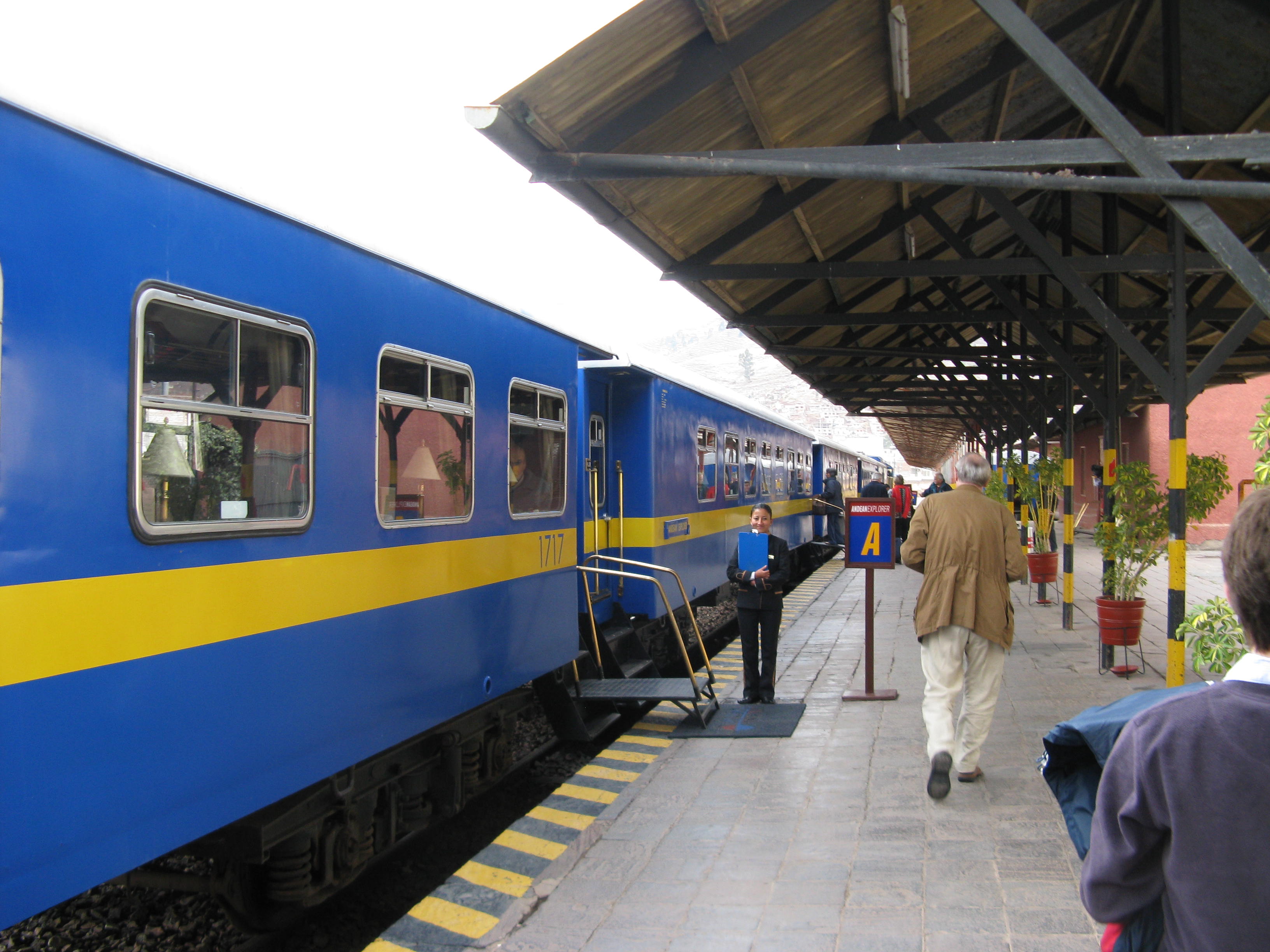
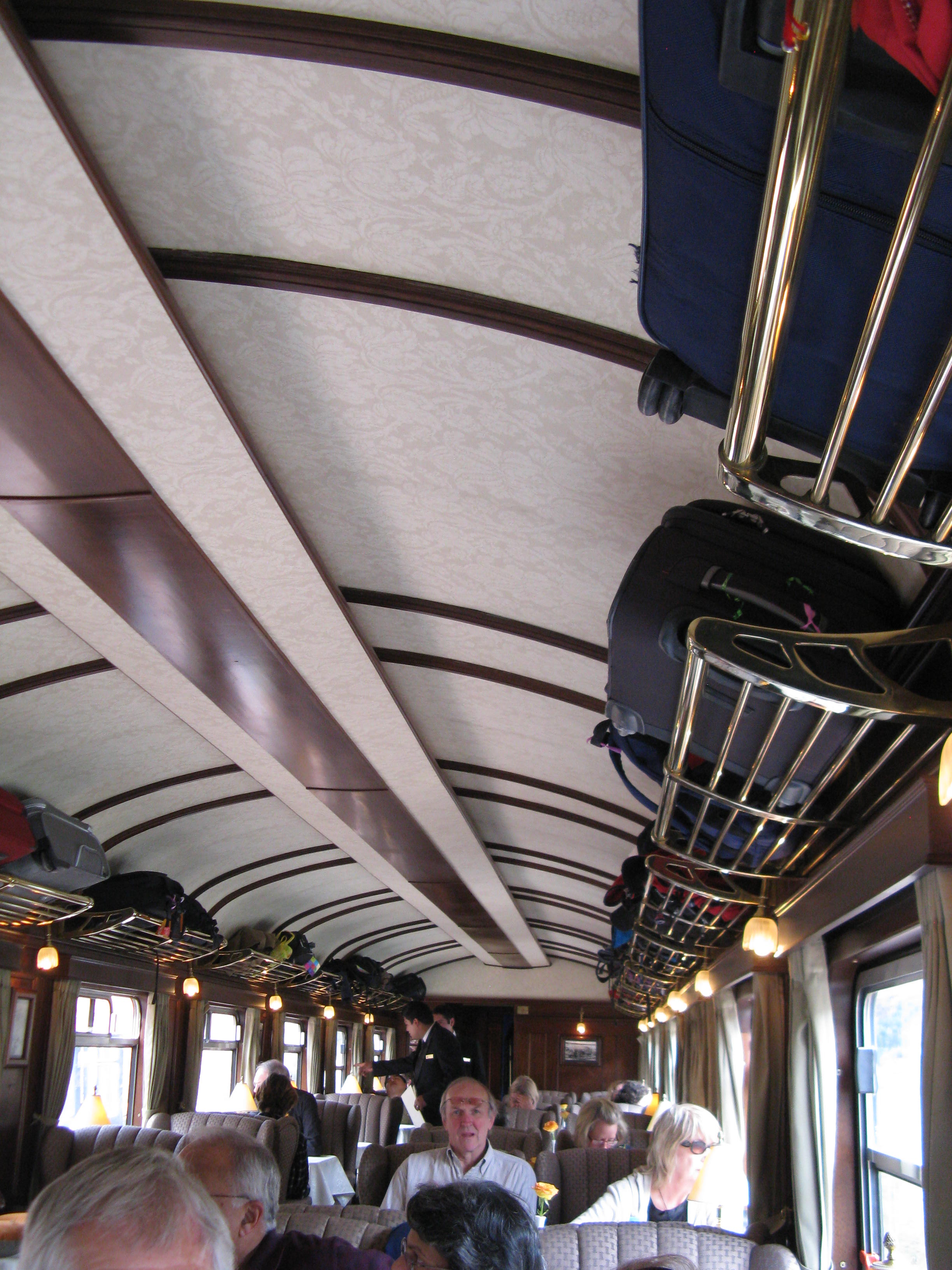
Andean ExplorerIt was with some trepidation that I faced the prospect of the ten hour train journey to Puno. Having felt really lousy the night before I gingerly crept my way out of the hotel towards the coach for the short trip to the railway station. Fortunately, the Andean Explorer train across the Altiplano is comfort personified. I’ve not been on the Orient Express but this is the nearest thing to it I’ve experienced. Elegant surroundings, comfortable chairs, top quality yet friendly service – it was lovely.

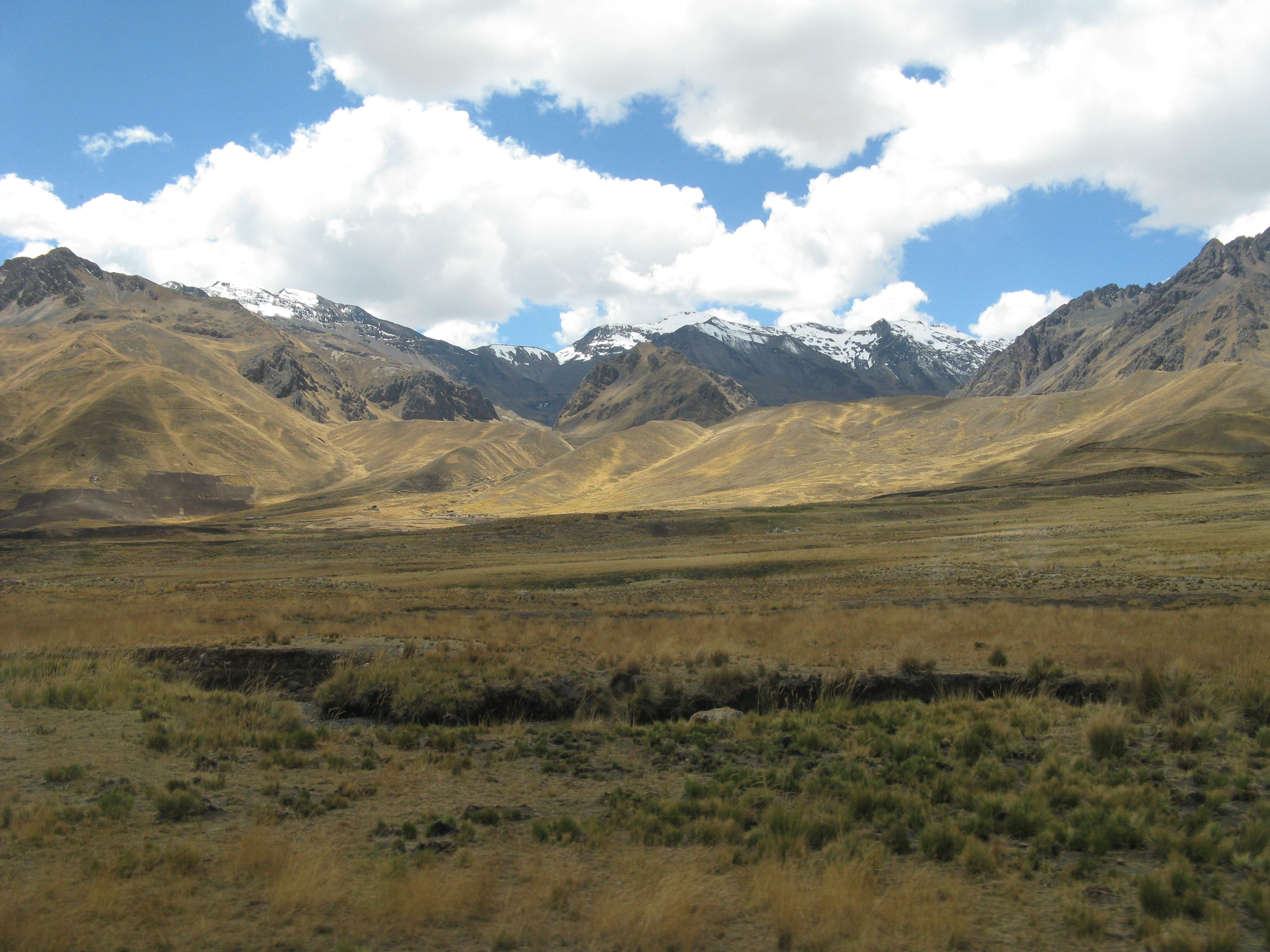
Snow covered peaks of the AndesI was also very appreciative of the two Diamox tablets one of our intrepid co-travellers gave me. Our GP hadn’t said anything about the possibility of taking tablets, but several of our group had been given them before leaving home. I took half a tablet that morning, the other half in the evening, and then the same dose the next day, and it relieved me of all my symptoms apart from the breathlessness, which is easily coped with. So I would definitely recommend investigating these little beauties if you’re susceptible to the old altitude sickness. Not that I’m used to accepting drugs off strangers; don’t do this at home.

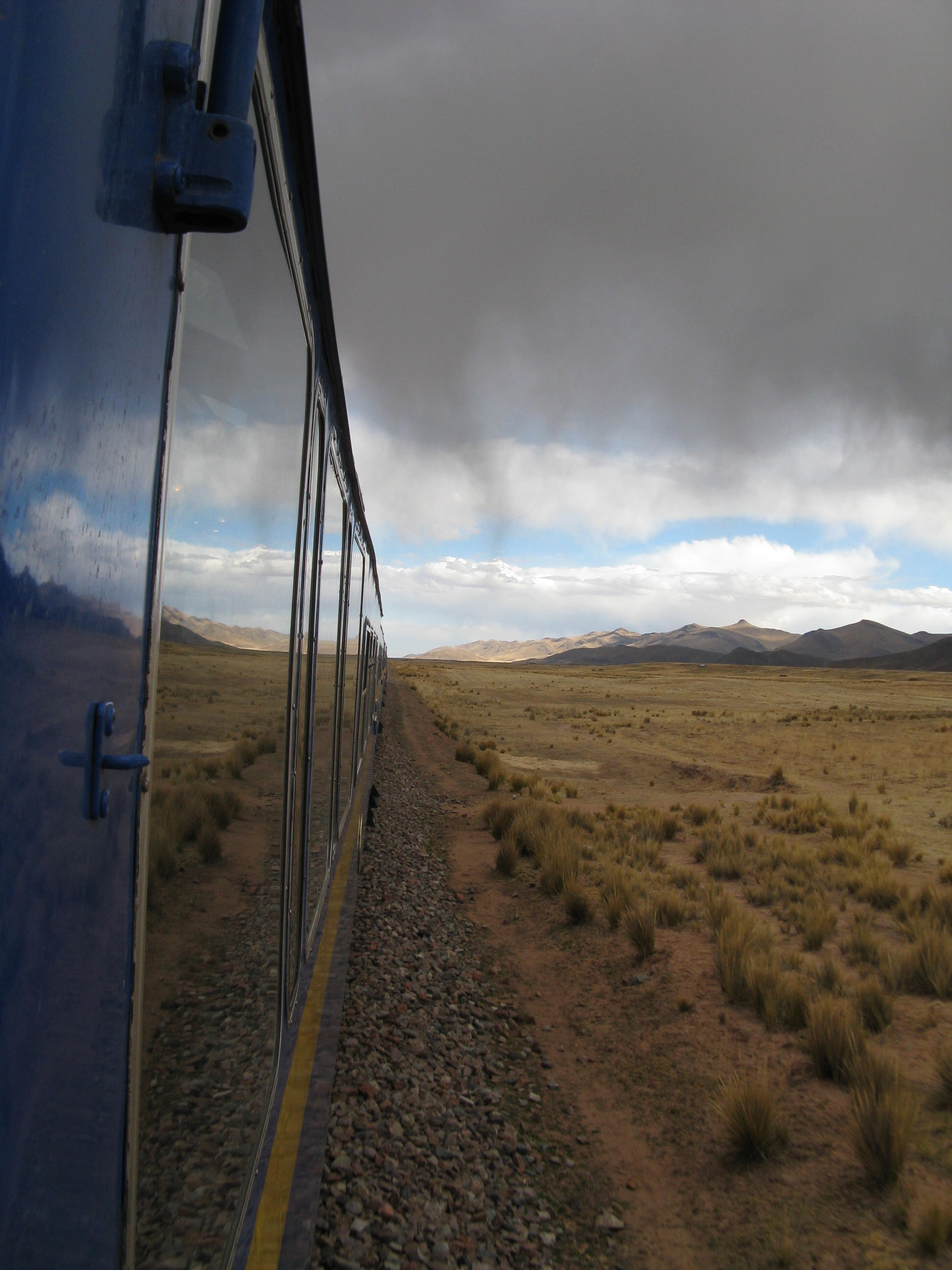
Inside the Andean ExplorerI feared the journey might be boring, but instead it was exhilarating. Fantastic views of Peru’s Canyon Country pass before your eyes as the train inexorably chugs its way towards Lake Titicaca. Big picture windows in the carriages help you to enjoy the view, but there is also a delightful observation carriage at the back of the train with more glass and an open air section which really allows you to become at one with your environment.

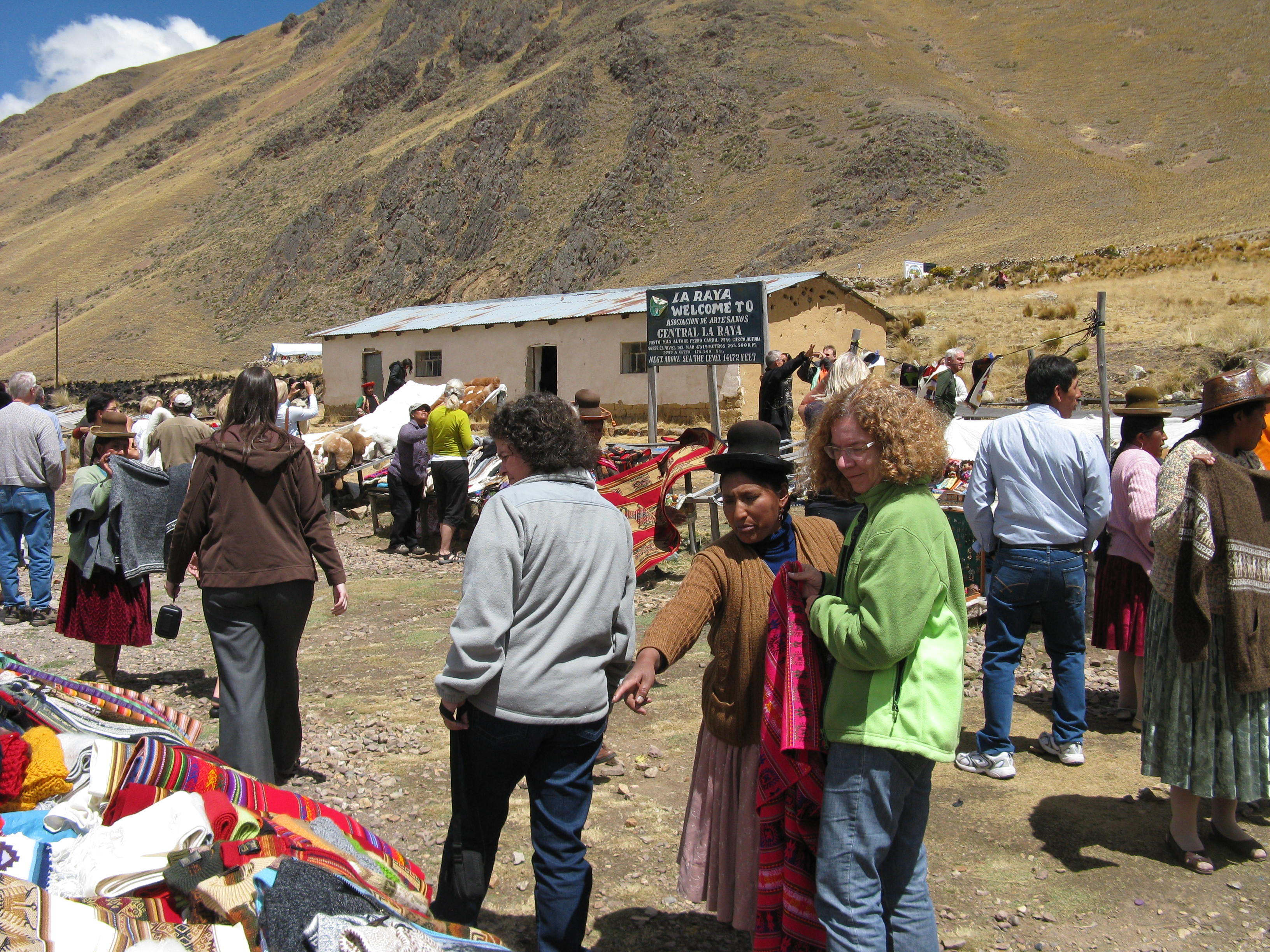
La RayaAt La Raya, the highest point of the journey (4313 metres above sea level) the train makes a brief stop so you can get some air and visit the little market which sets up alongside the railway line. Unsurprisingly the stallholders are pretty desperate to sell you something and occasionally the interaction between traders and customers got a bit aerated. Nevertheless it’s a pleasant little stop.

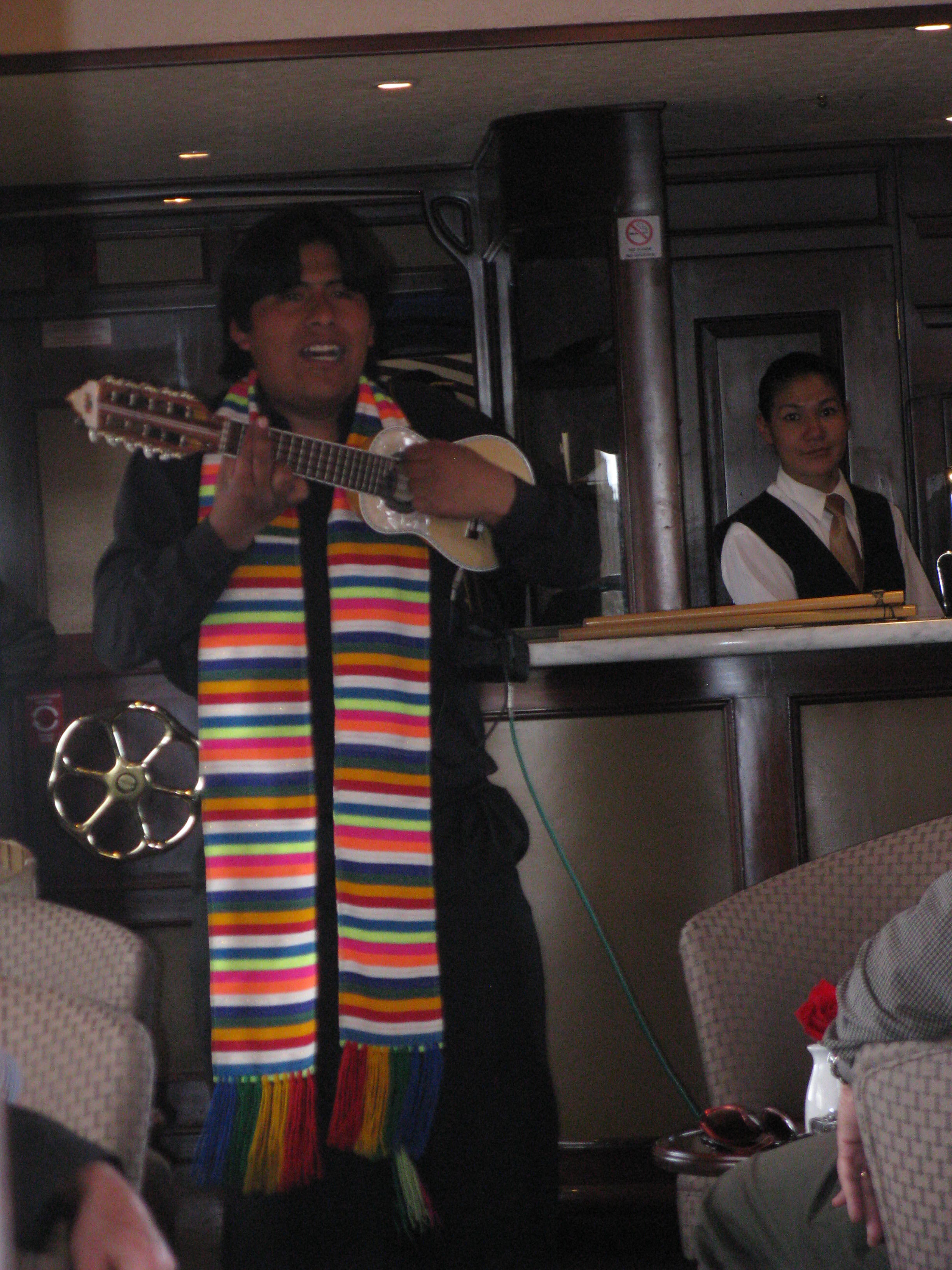
Peruvian musicianBeing a Peruvian train, naturally there was a fashion show – which we missed – and a folk music and dance troupe, which we saw. They were very good, but no match for the CDs of Andean music I already possess. They were also asking a ridiculously expensive price for their CDs – can’t remember exactly but it was way out of proportion – and unsurprisingly I don’t think anyone bought one.

Across the AltiplanoAnd then there are the Pisco Sours, which were well worth the imbibing, the splendid lunch, and the afternoon tea (which was perhaps a trifle underwhelming.) Mrs Chrisparkle and I sat opposite intrepid co-travellers John and Vicky and spent most of the day putting the world to rights, drinking, laughing, eating and drinking again, to the extent that when we got out of the train at the end, people were walking past us saying things like “you enjoyed that, didn’t you” and “we’ll forgive you”. Oops. Were we noisy?

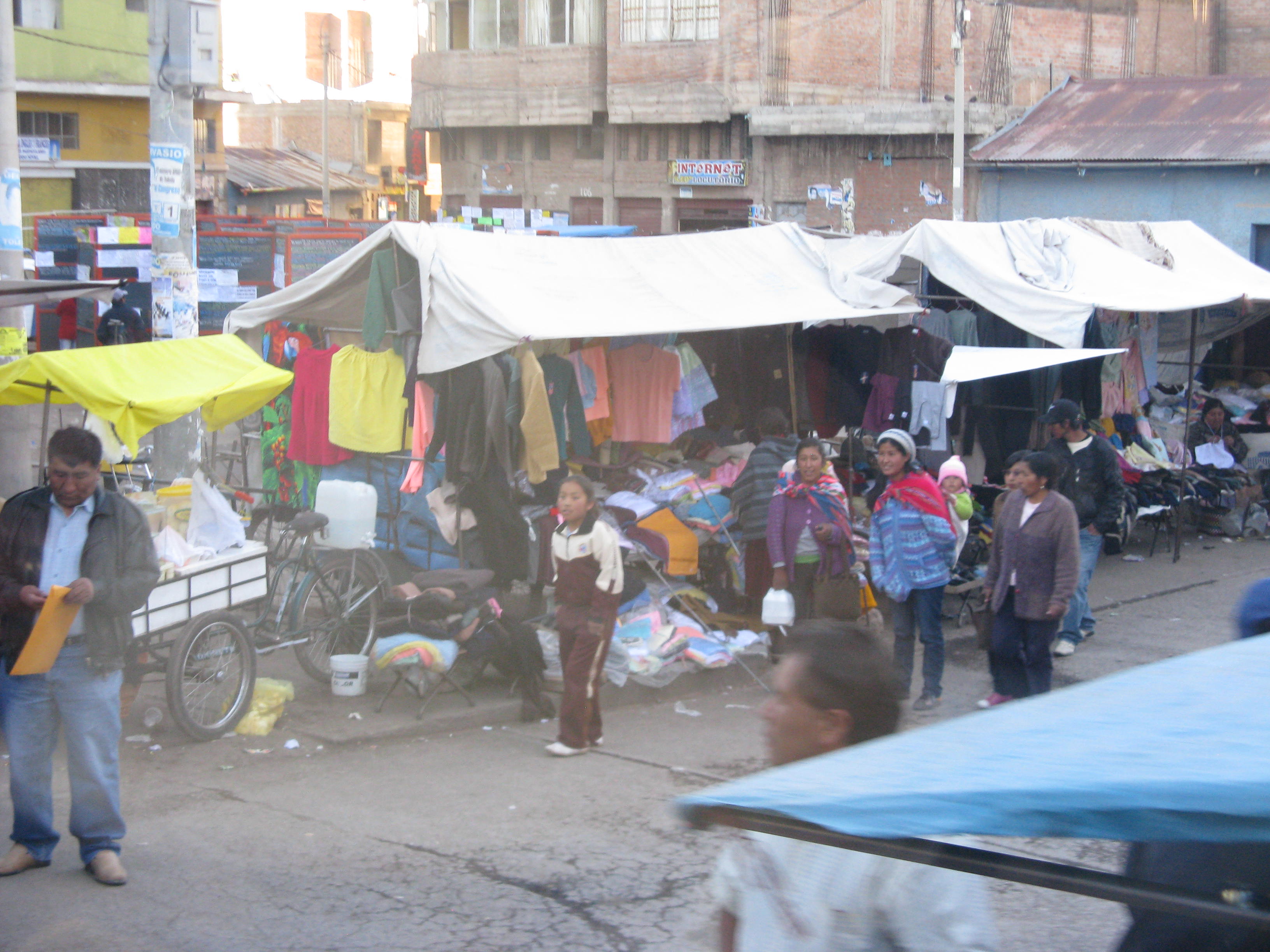
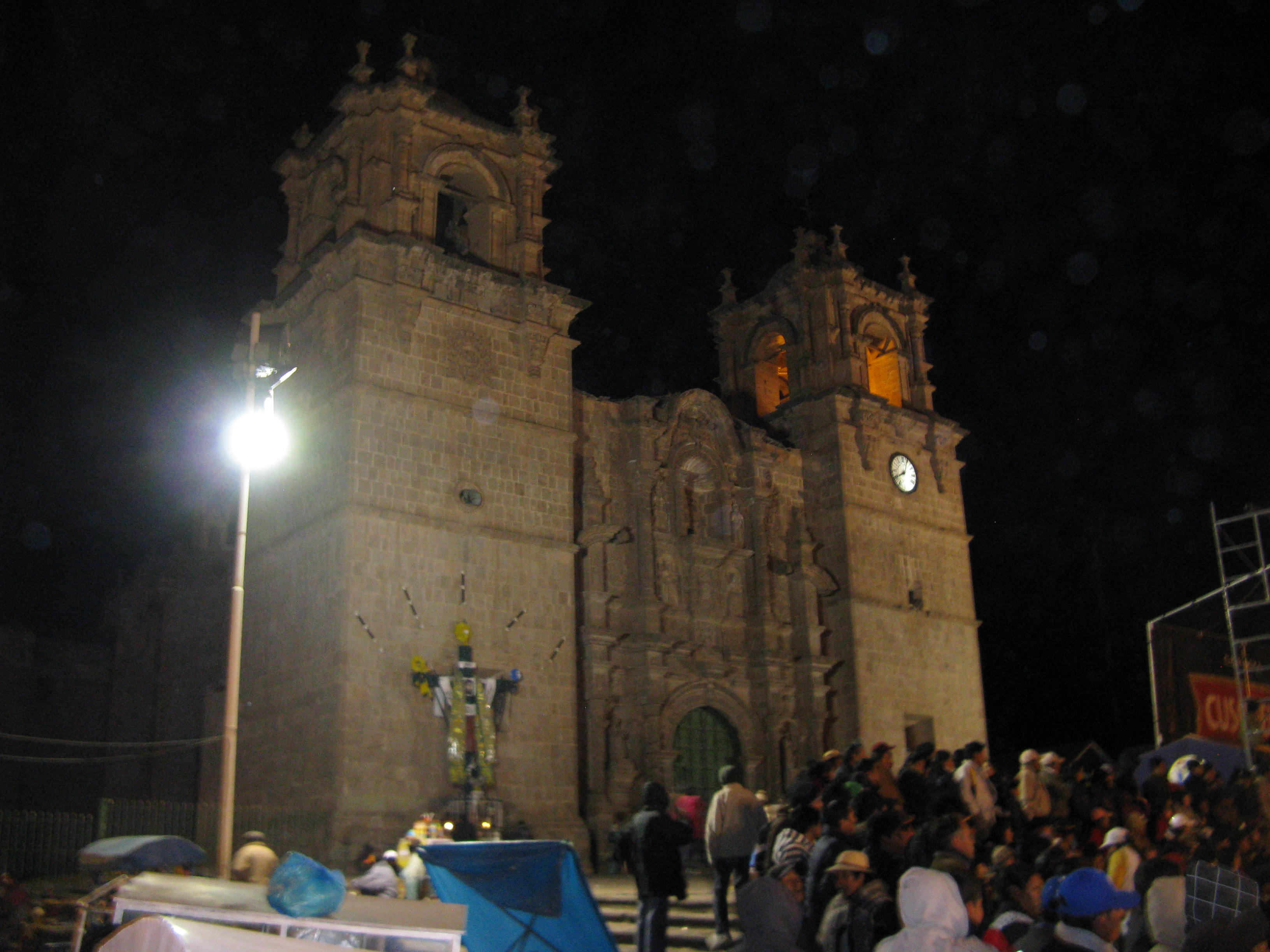
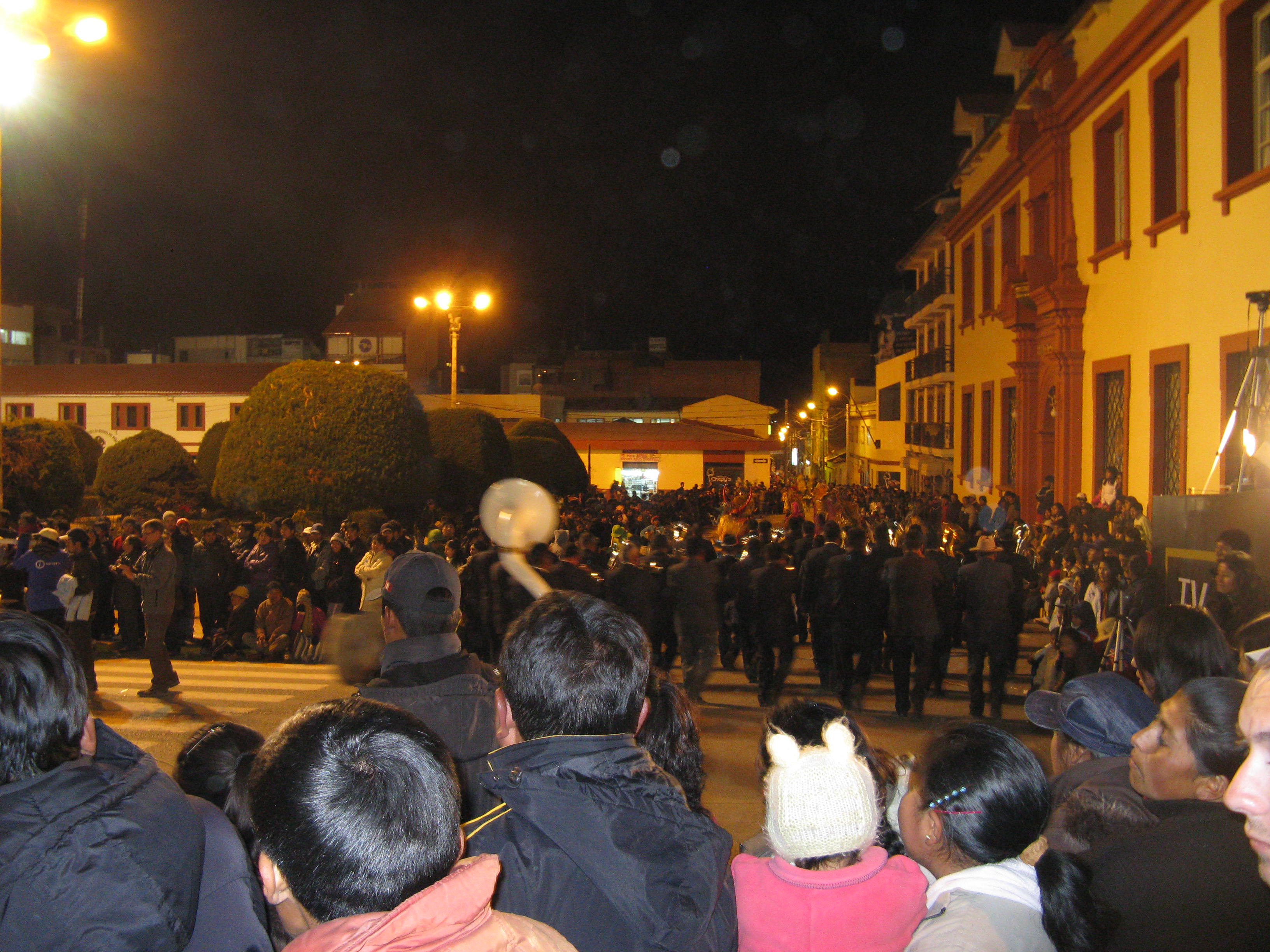
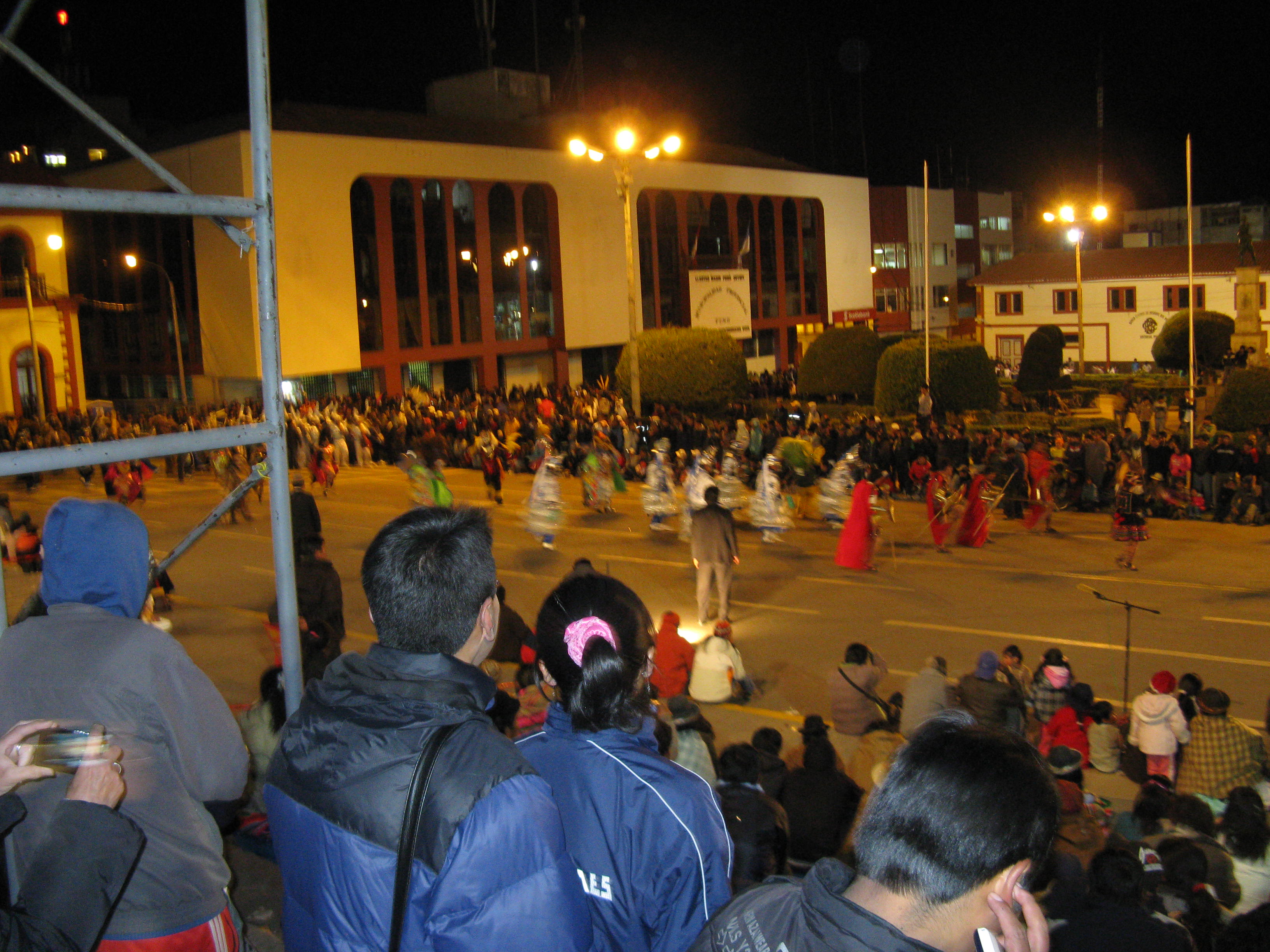
Approaching PunoAs you approach Puno, for the last half an hour or so the track follows alongside local roads which intersect a few small towns, so it’s almost like being on a luxury bus; it’s a good opportunity to see how the locals live and go about their daily business. When we finally arrived in Puno, on the banks of Lake Titicaca, it was 6pm and already nearly dark. But we were not prepared for the welcome. Plaza de Armas It was the anniversary (50th I believe) of the local university and the students were using it as an excuse for a folkloric party and parade. It seemed as though hundreds and thousands of people were on the streets. Our guide who met us said it had started earlier in the day and would finish shortly. Shame, we thought.

Puno crowdsOur hotel for the night was the Casa Andina Private Collection, which was very comfortable and had large bedrooms; good breakfasts and a cosy bar. It did however also contain a rather grumpy receptionist. It has a most picturesque location nestling alongside the lake. With just a couple of hours to spend, we decided to skip an evening meal (again) and take a taxi into the centre of town to see what could be seen.

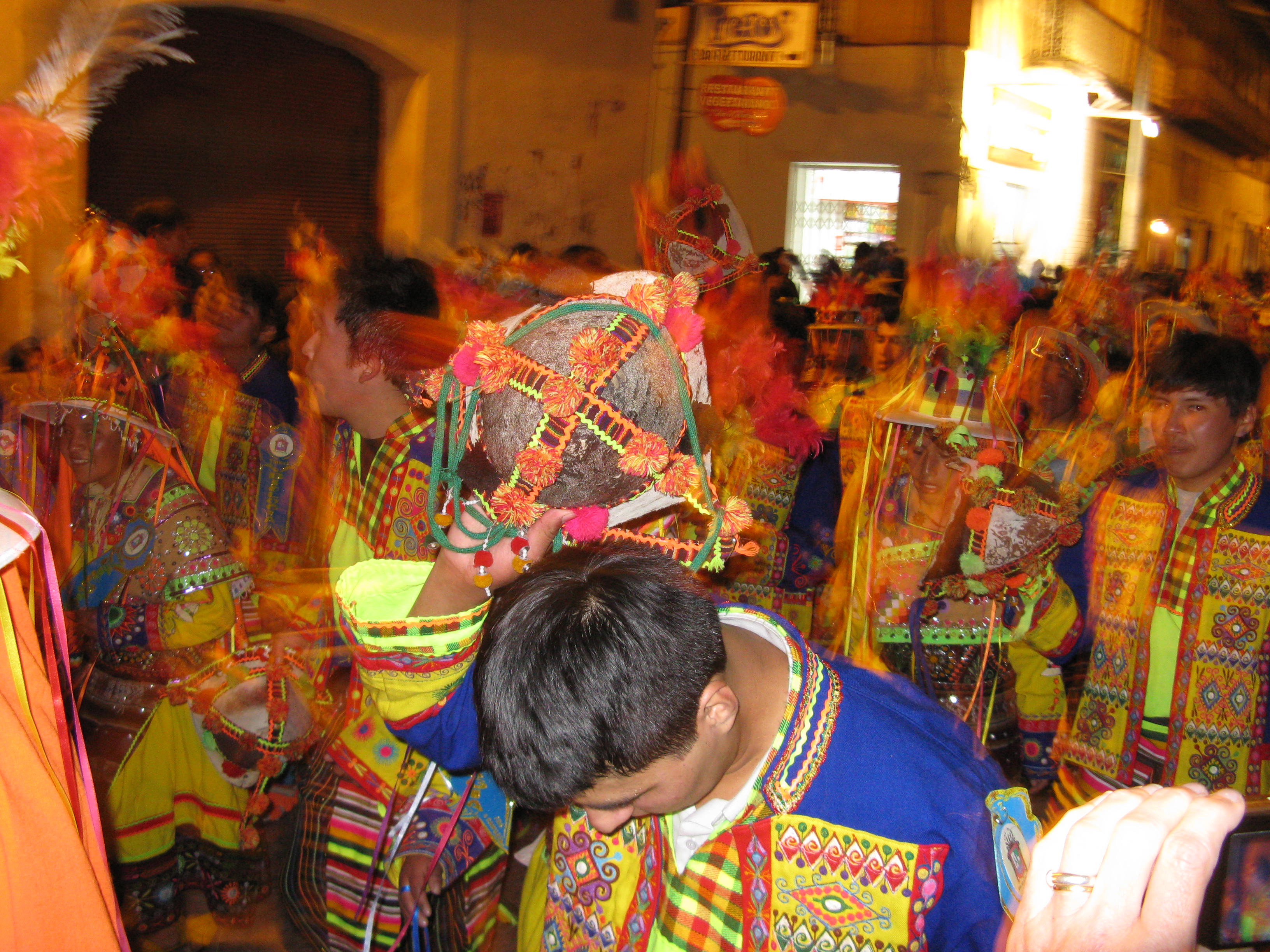
Puno paradesThe parades were still in very full swing. We found the Plaza de Armas, (every town in Peru seems to have one), and it was packed with locals watching the parade – and indeed with all the parading students too. There seemed no end to the extravagance of the costumes – a mixture of folklore, fantasy, tradition and glamour. An incredible carnival atmosphere everywhere, all captured by TV Lima.Colourful costumes The side streets were equally busy, as this is where paraders were gathering before joining the procession. Although I think we were almost the only tourists in evidence, I have to say the whole place felt very safe and very welcoming. However, it was difficult to gauge how attractive or otherwise Puno is, as all the spectacle detracted from the town itself.

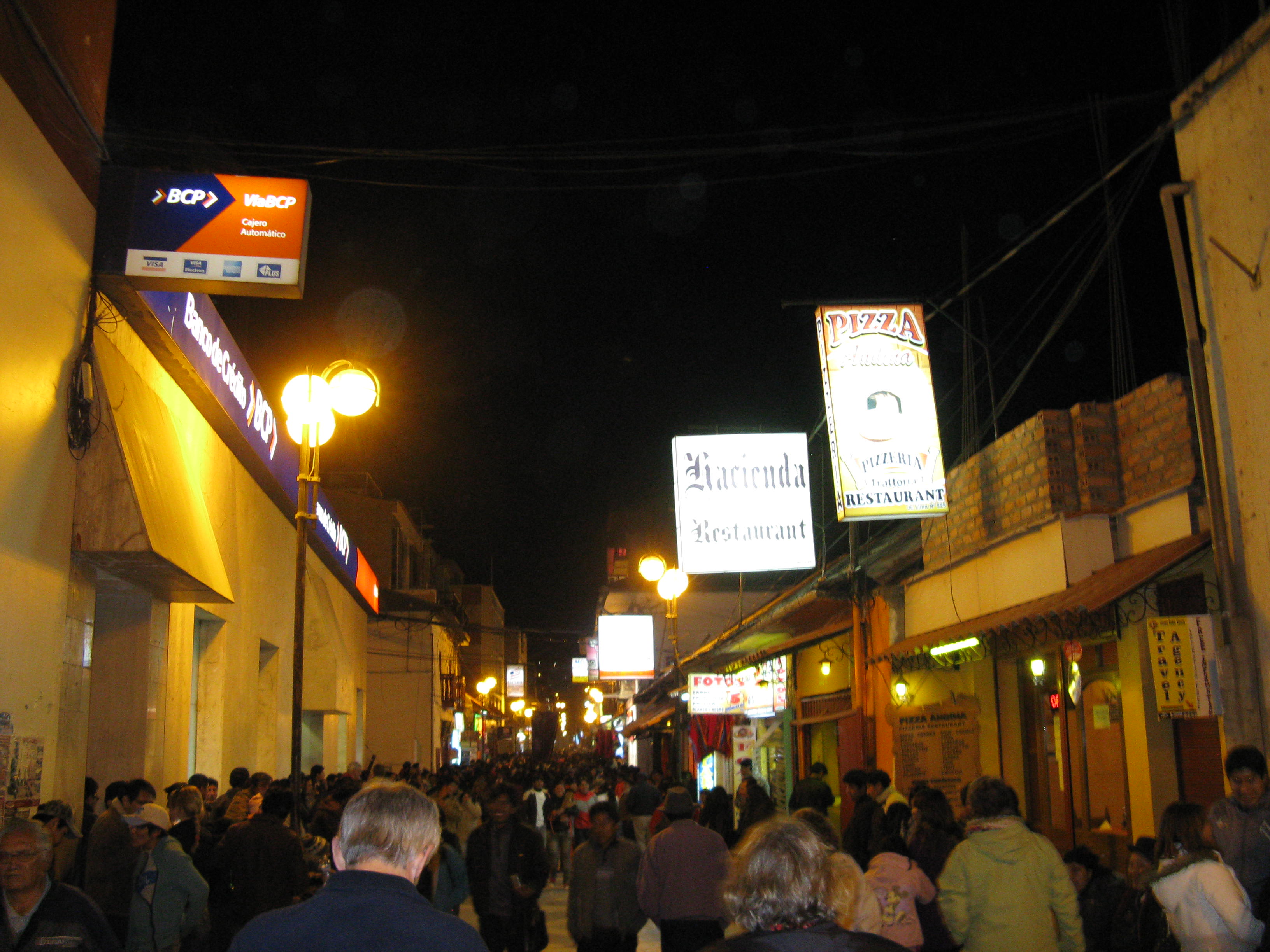
Side streetsAfter a couple of hours, and with no sign of the celebrations coming to a halt, we followed the advice of the hotel and made our way to another Casa Andina hotel in the town centre and got them to ring us a taxi to get back. They were more than happy to do so, which I thought was excellent service. Safely ensconced back in our hotel we set about packing our cases as the next day we would be leaving Peru for Bolivia.

South America – Peru – Pikillacta and Sacsayhuaman

Grateful for a good night’s sleep we awoke refreshed and ready to see more of the Inca Heartland around Cusco. Today was the day for the “optional tours”. The choices were to see Tipon, Pikillacta and “The Sistine Chapel of the Andes” in the morning, or to visit Sacsayhuaman in the afternoon. Or both. We had avowed to fit as much in as we possibly could, so “both” was our obvious default position; especially as our guide had recommended the morning one, and I had already decided I definitely wanted to see Sacsayhuaman.

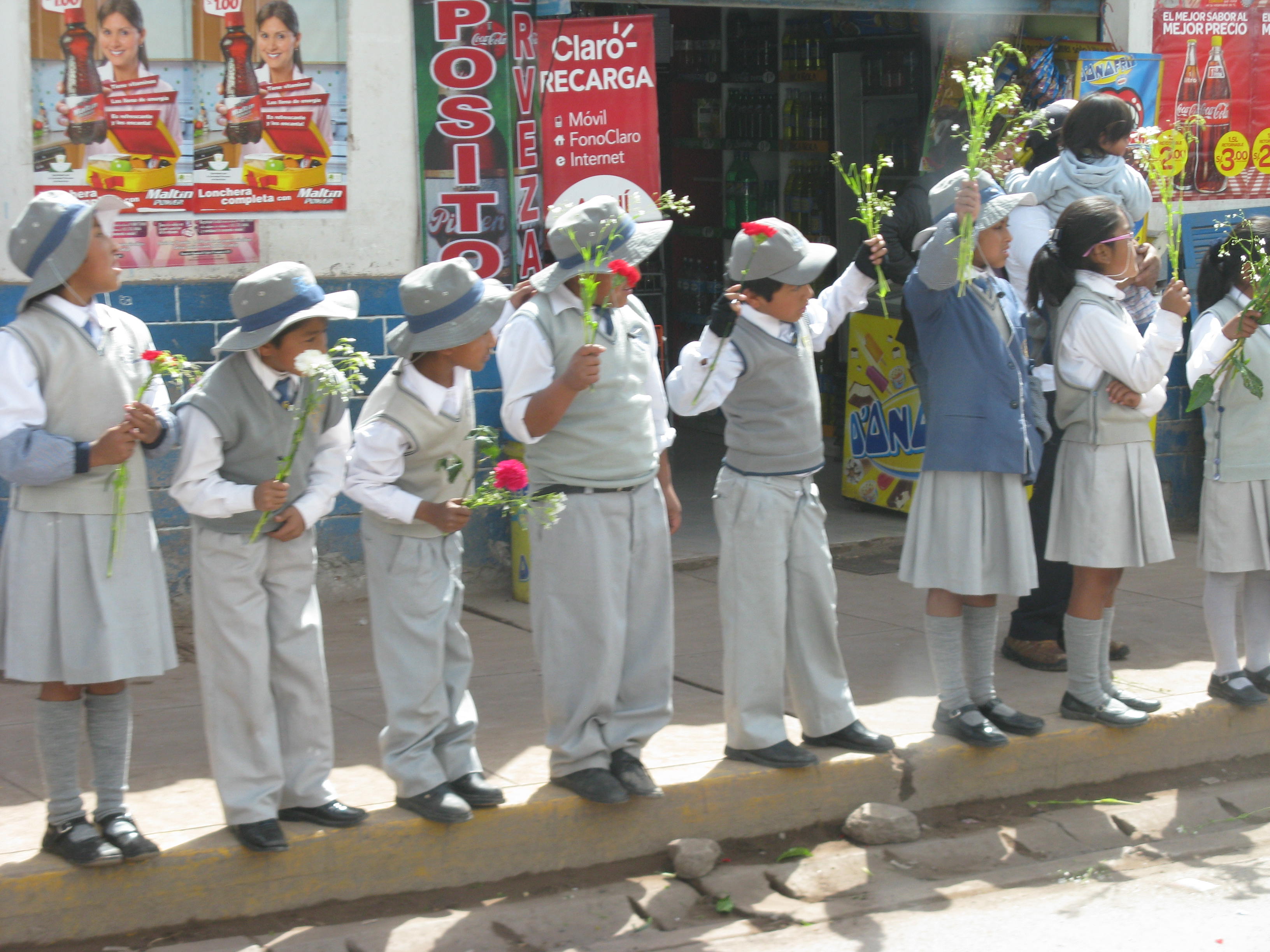
Schoolkids love a paradeOn the way out of town, we saw loads of schoolkids waiting patiently at the side of the street for a procession to pass by. Anywhere in the world, children love a parade; Peru is no different. In the end it seemed to be a land rover bearing a religious icon that had arrested their interest; not sure that would have been so captivating back in Northampton.

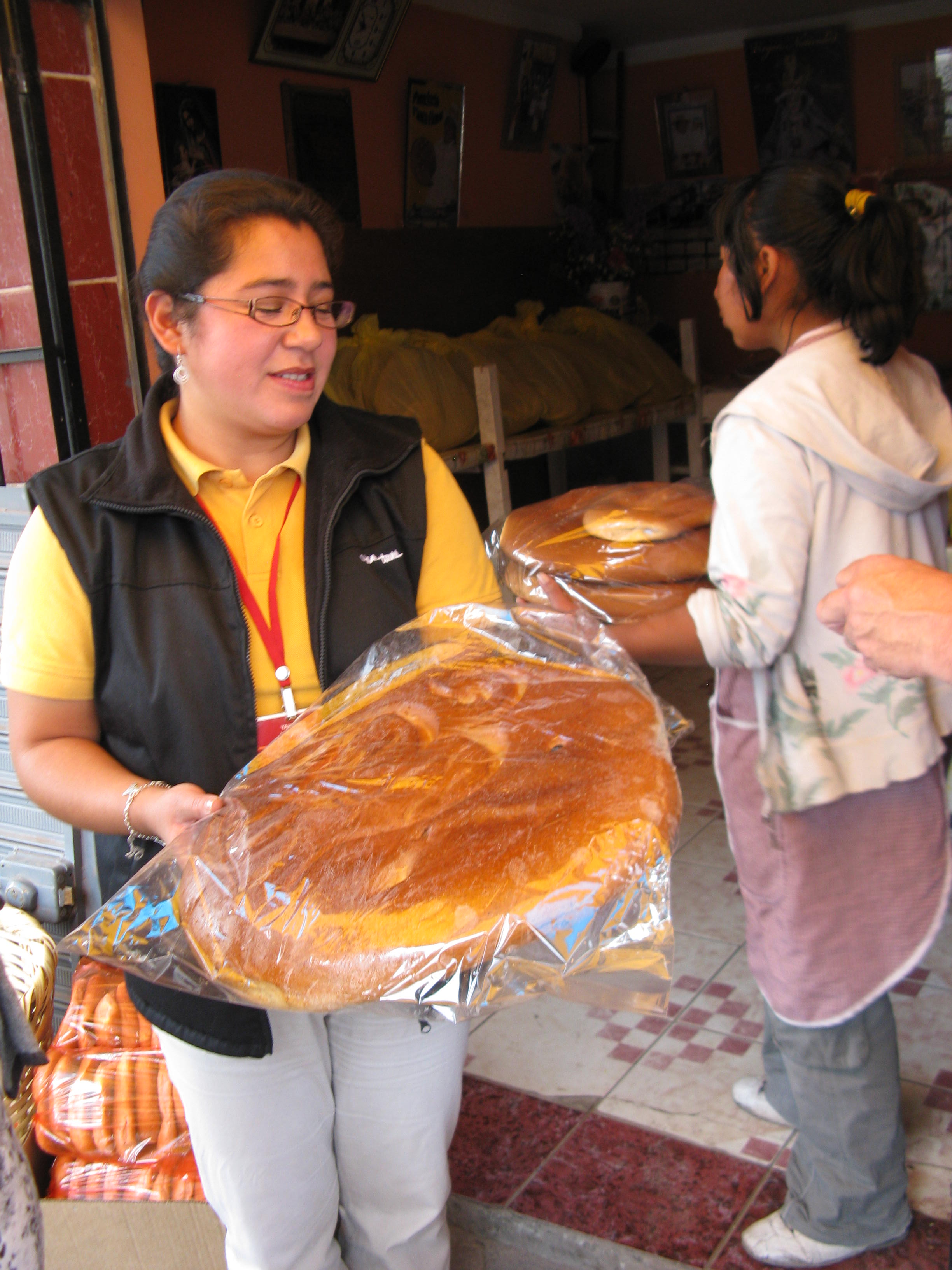
Pan Chuta loafAlso en route we stopped to see a bread shop. Yes, I kid you not. This is because they bake very large circular flat loaves, and they are apparently the talk of the valley. Mrs C can’t do bread, so it was of limited fascination to us. But if you like your loaves, check out the Pan Chuta in Oropesa.

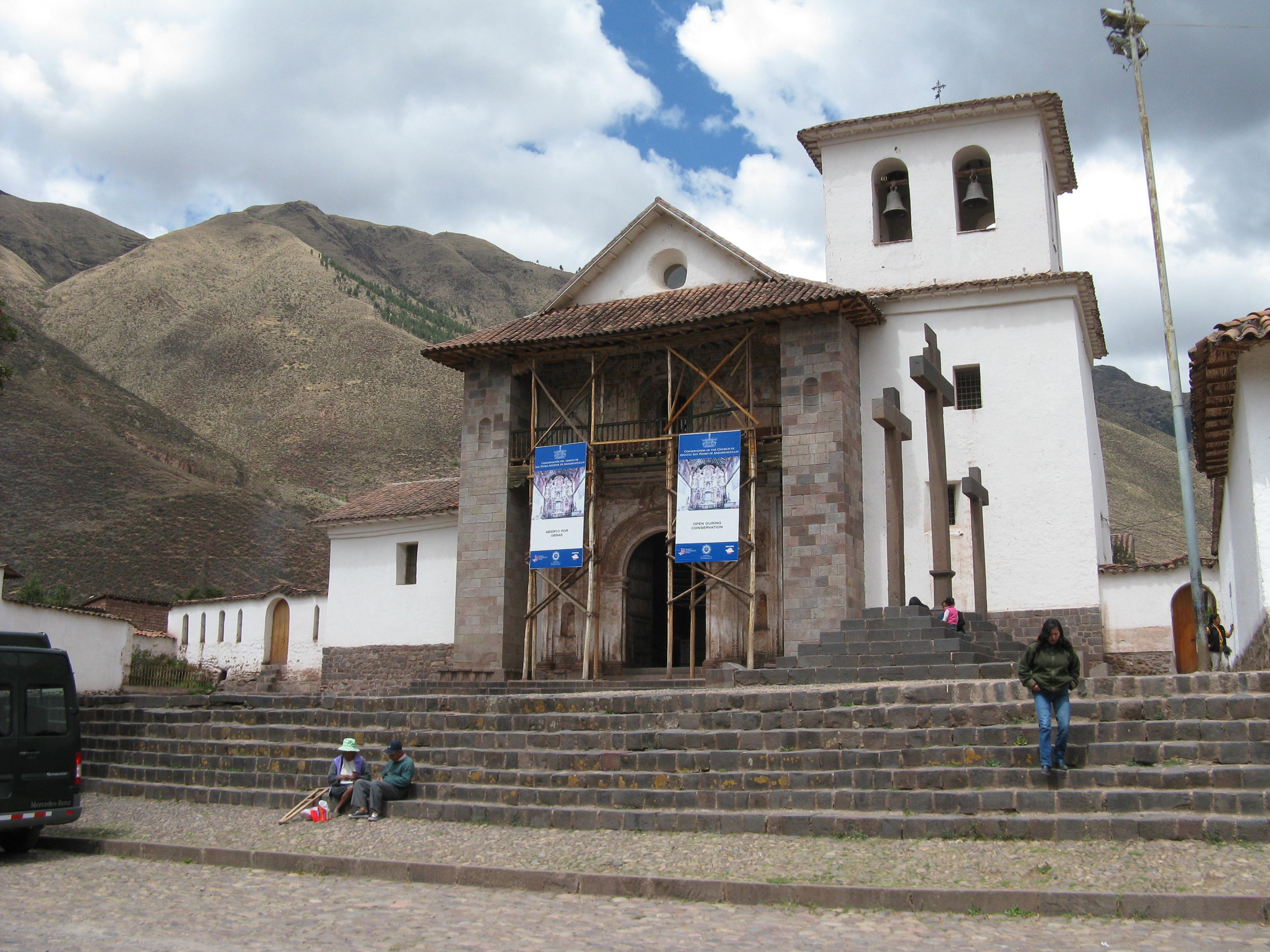
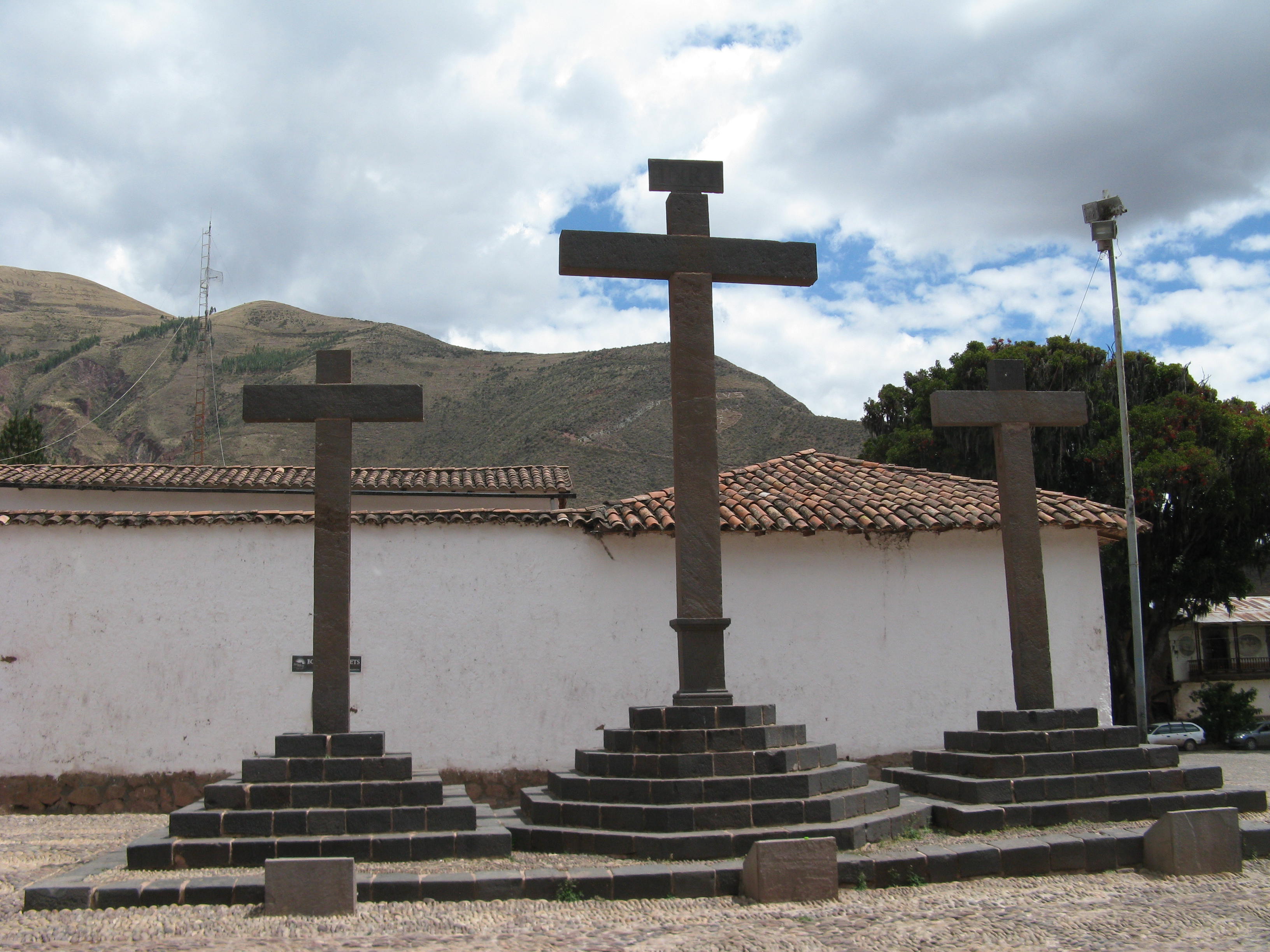
San Pedro de AndahuaylillasThe Sistine Chapel of the Andes is so called because of its incredibly ornate interior. God knows it as the parish church of San Pedro de Andahuaylillas. The building is undergoing some San Pedro de Andahuaylillas - crossesrestoration and there were many talented artisans working on bringing the interior up to its former glory; unfortunately we weren’t able to take any photos. LocalsThe three crosses outside the church are rather outstanding in a stark sort of way, and it was a peaceful place to observe the locals with their children selling their wares.

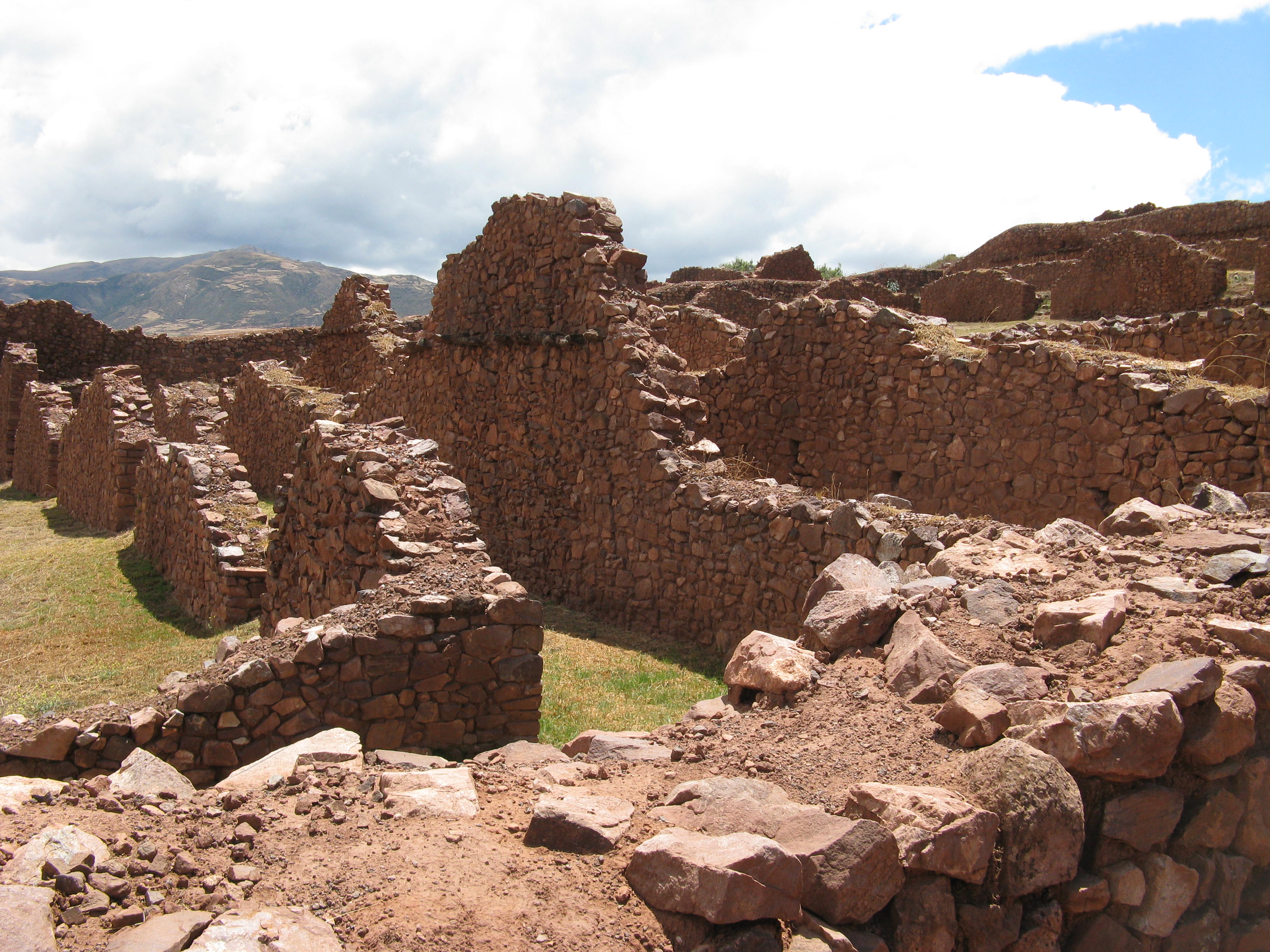
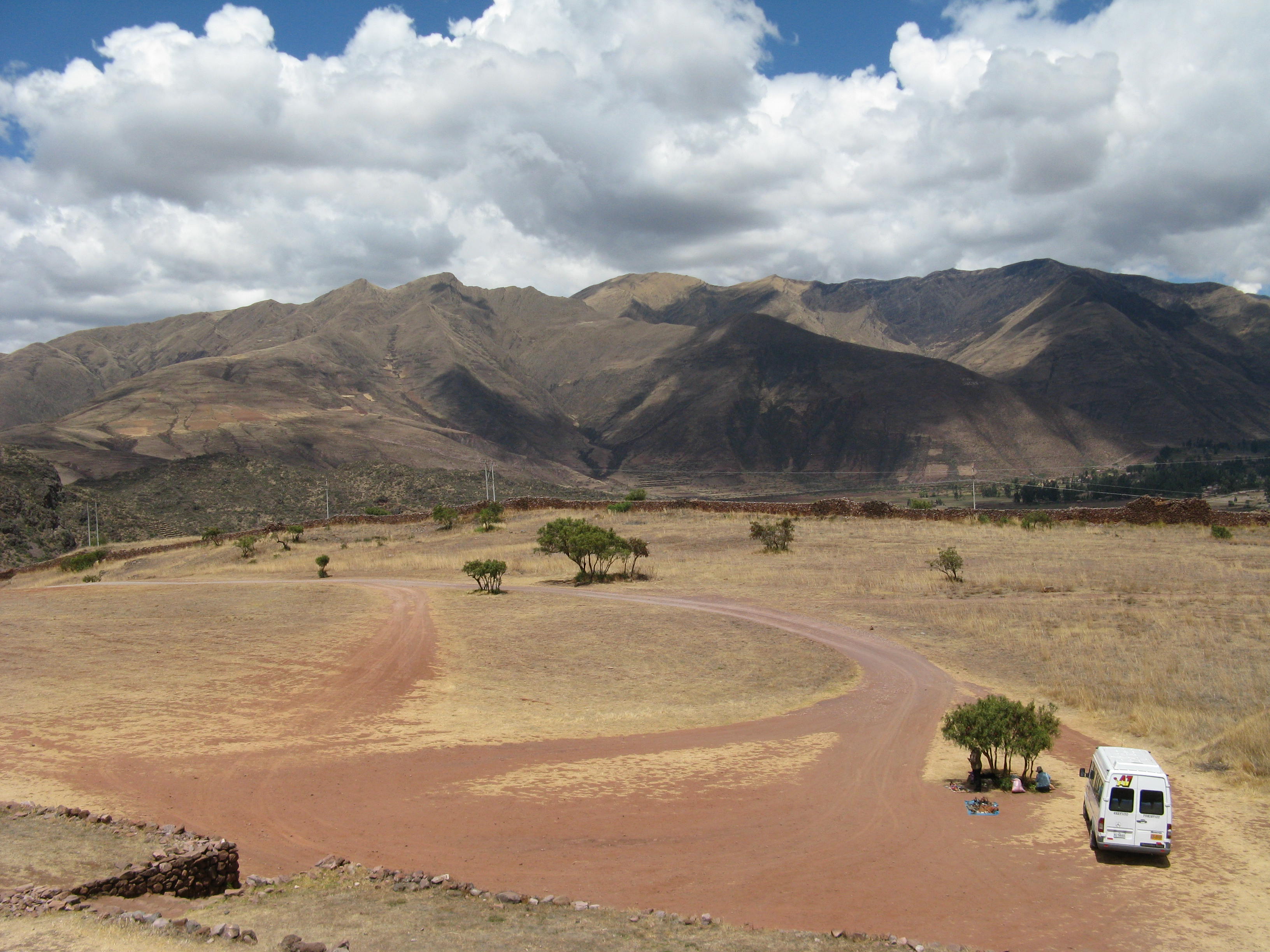
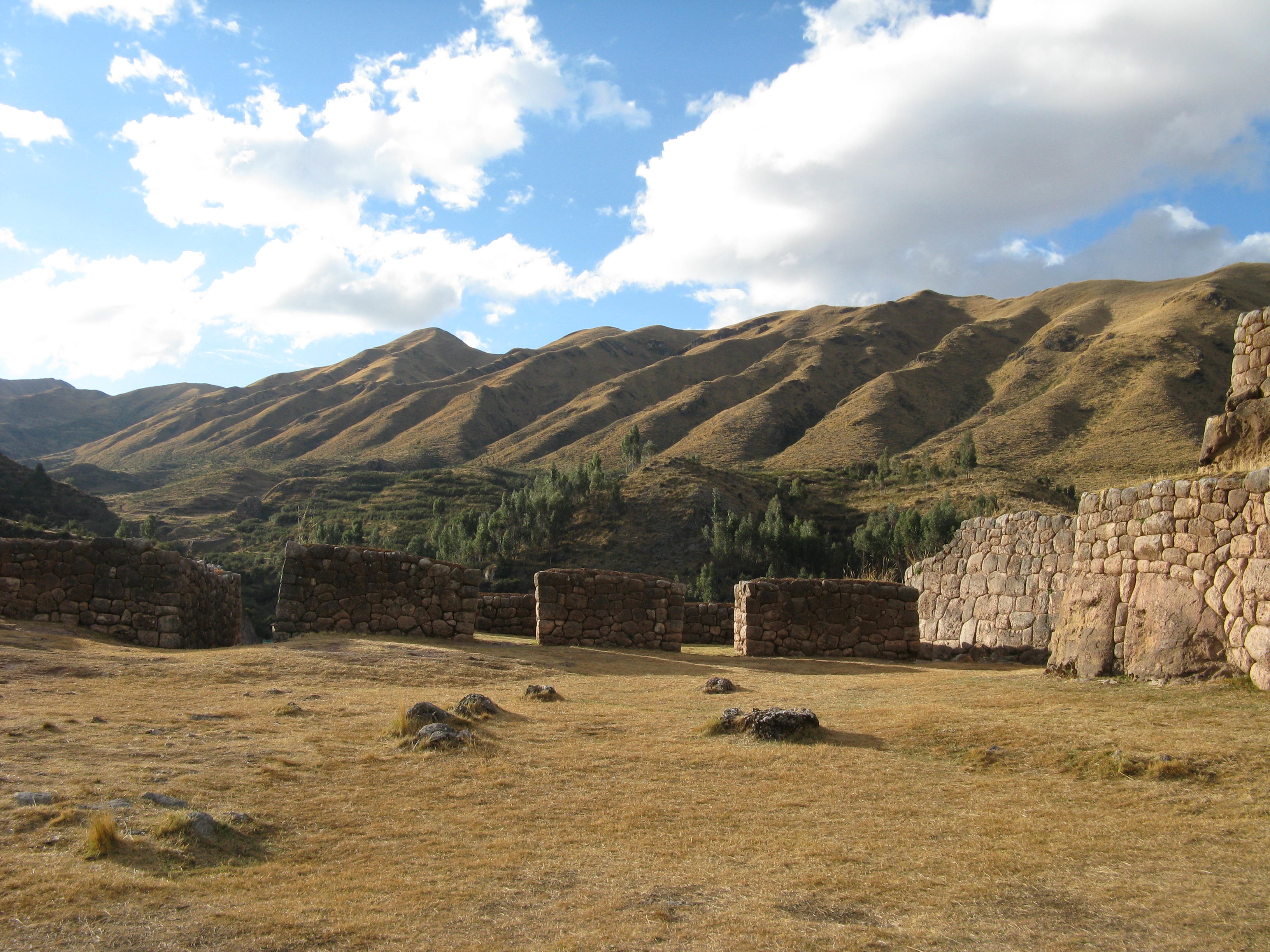
PikillactaHeading back towards Cusco, our next stop was Pikillacta. This is (was) a pre-Inca city and the ruins are still in pretty astonishing condition. You can only imagine how imposing it must have been in its heyday. Mindful of not overexerting ourselves, so as not to exacerbate the altitude sickness, we spent a very pleasant half hour gently wandering around. Not much trade hereOurs was the only tourist coach there – you can imagine Pikillacta spends many winter days rather deserted. One felt sorry for an elderly couple trying to sell basic tourist rubbish from their groundsheets to the occasional tourist; a hard way to make a living.

We were due to visit Tipon on the way back. Described as a picturesque set of stone canals, terraces and stairways that are thought to be part of a royal hacienda, it sounds lovely. Unfortunately workmen had taken the road up and there was no way for a coach to get to the site. Never mind, it’s always good to have a reason to return.

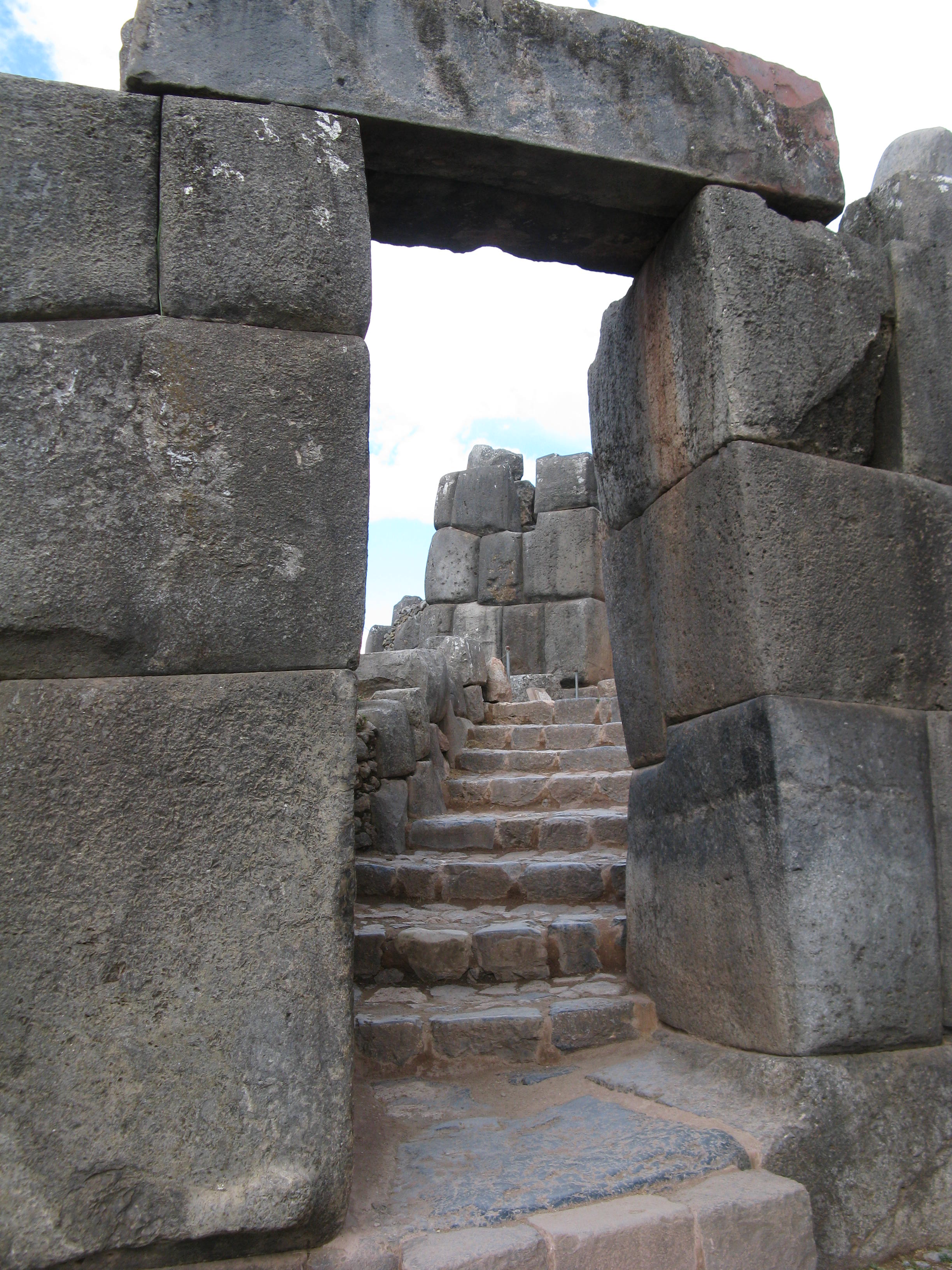
SacsayhuamanAfter a brief lunch we were all ready for our afternoon trip to Sacsayhuaman. The site covers a large area and its main feature, the mound of three large terraces that zigzag over each other, is outstandingly impressive. The huge chunks of granite that form the ramparts take your breath away (literally, at 3600m above sea level) and you can only imagine Incan arch(in fact you can’t imagine) how they managed to get the granite into place. The stones all interlock, which is why the construction has stood so strongly over the years. The stones also all take on different shapes and sizes – it’s like a pre-Incan vertical version of crazy paving.

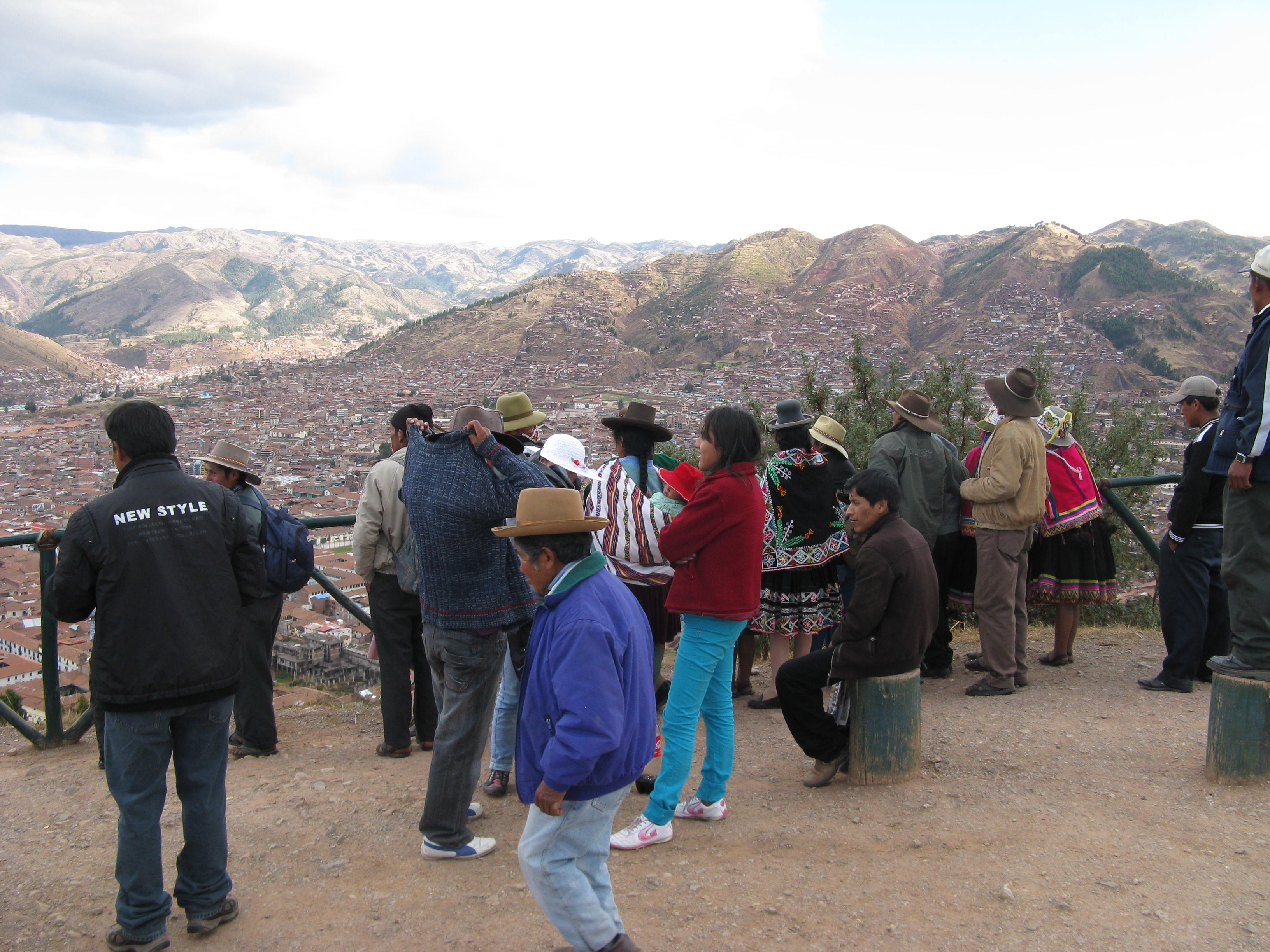
View over CuscoWhen you climb to the top you get a magnificent view over Cusco below. While we were there, a group of traditionally dressed Peruvians descended on the viewpoint with gusto and huge delight to see the view. Presumably they were tourists in their own country. They were as excited as little kids who have just heard the ice-cream van.

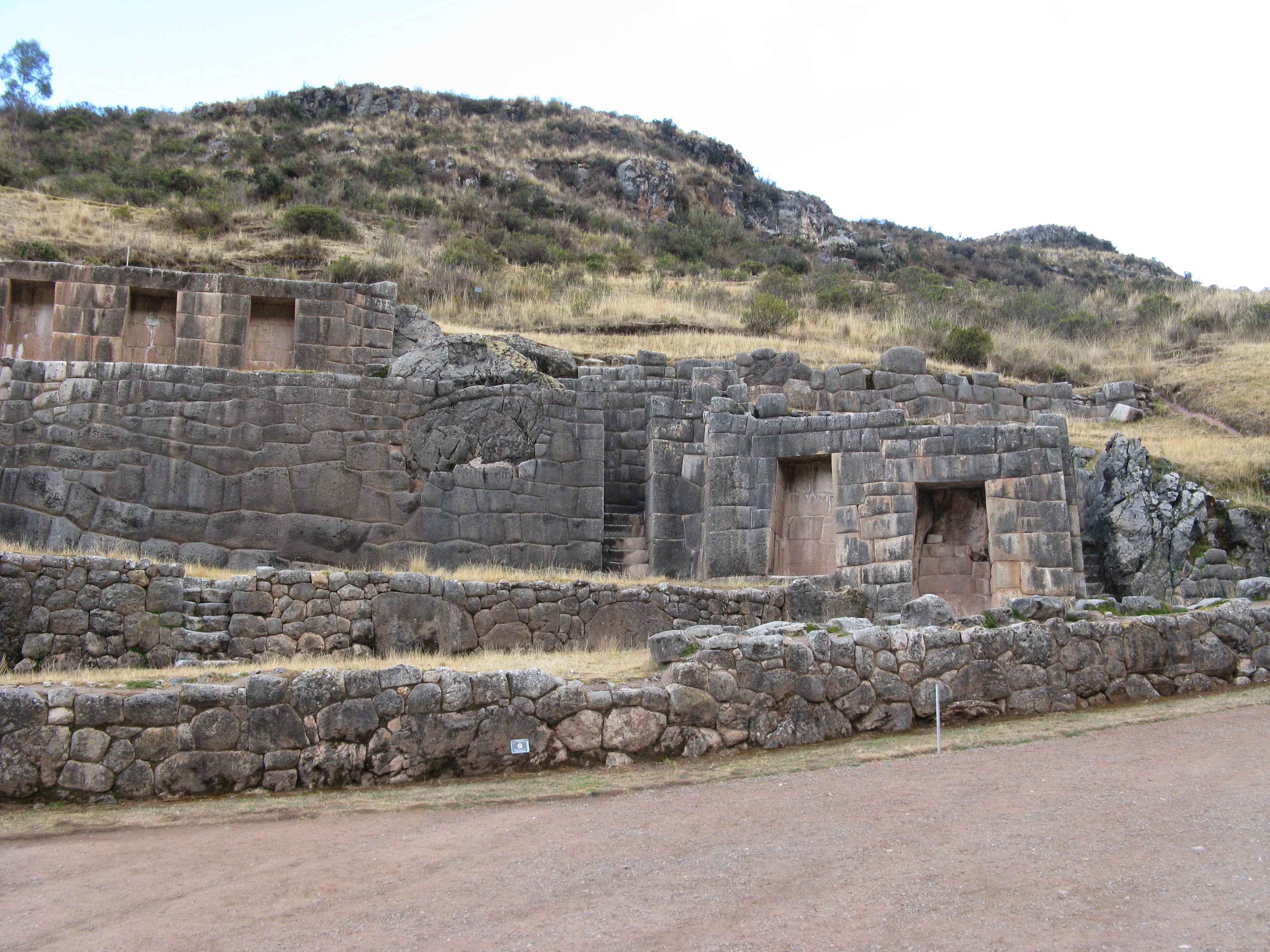
TambomachayOur entrance ticket to Sacsayhuaman also let us into several other smaller sites. Tambomachay is a series of platforms and fountains and is meant to be in honour of the water deity. My memory of our brief visit was watching a very formally dressed father virtually abusing his very formally dressed son by making him pose for endless very formal looking photographs in front of the ruins whilst the wife/mother uncomfortably looked on. Puka PukaraEvery sulk and scowl from the boy was counteracted by an even more vicious sounding vocal diatribe from the father. Most odd.

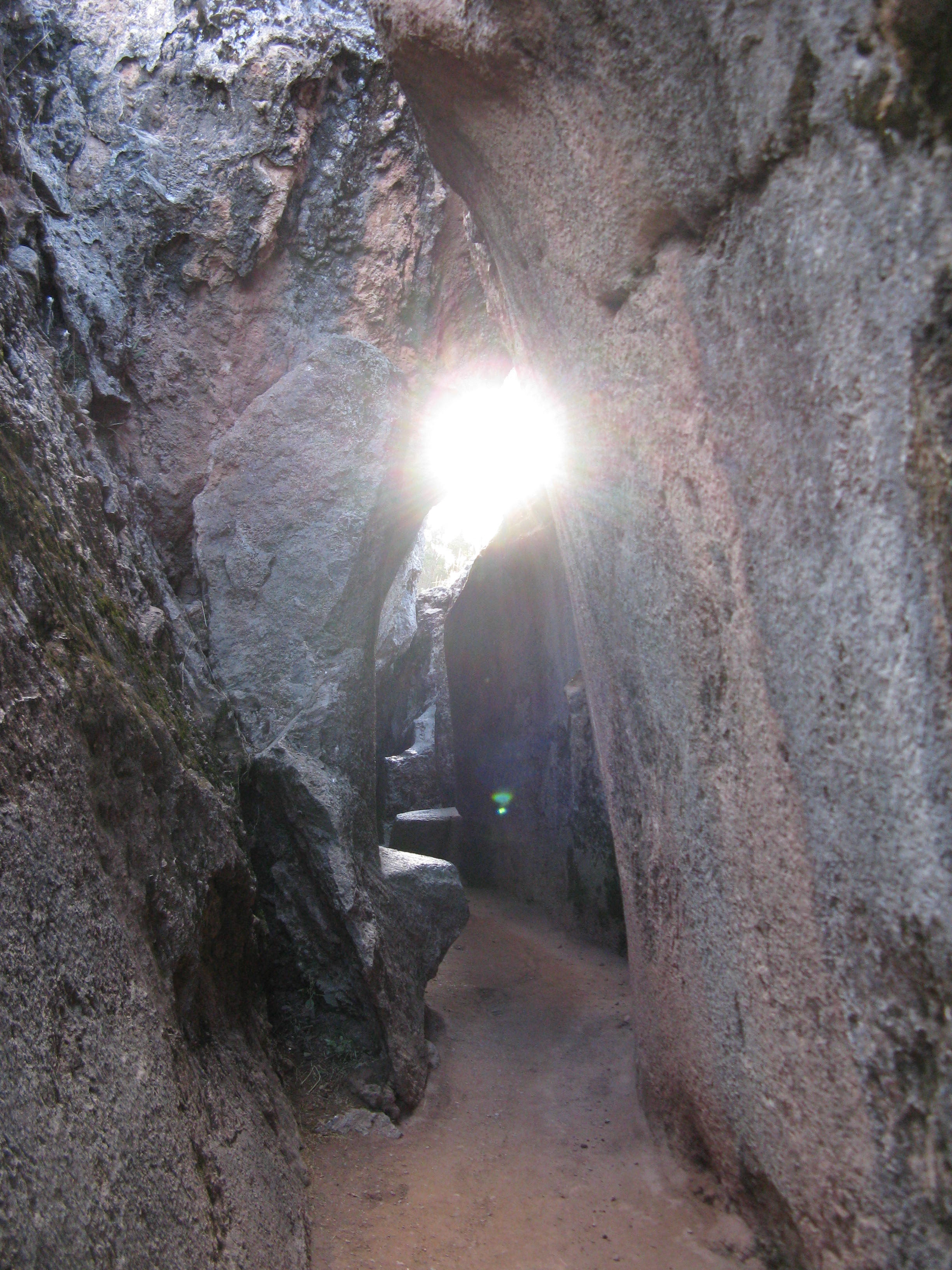
Then we visited Puka Pukara, which means “Red Fort” and is a rest stop complex of rooms, plazas, aqueducts and look outs. QenkoFinally we saw Qenko, Quechuan for “labyrinth” which was a site where sacrifices took place. All very interesting – and hilly. Too late I remembered the advice about not overdoing it if you want to avoid altitude sickness. By the time I got back to the hotel I sank into an oblivion of headache and nausea. And tomorrow – oh joy – we would be undertaking a journey that would climb up to over 3800m high.

South America – Peru – Cusco

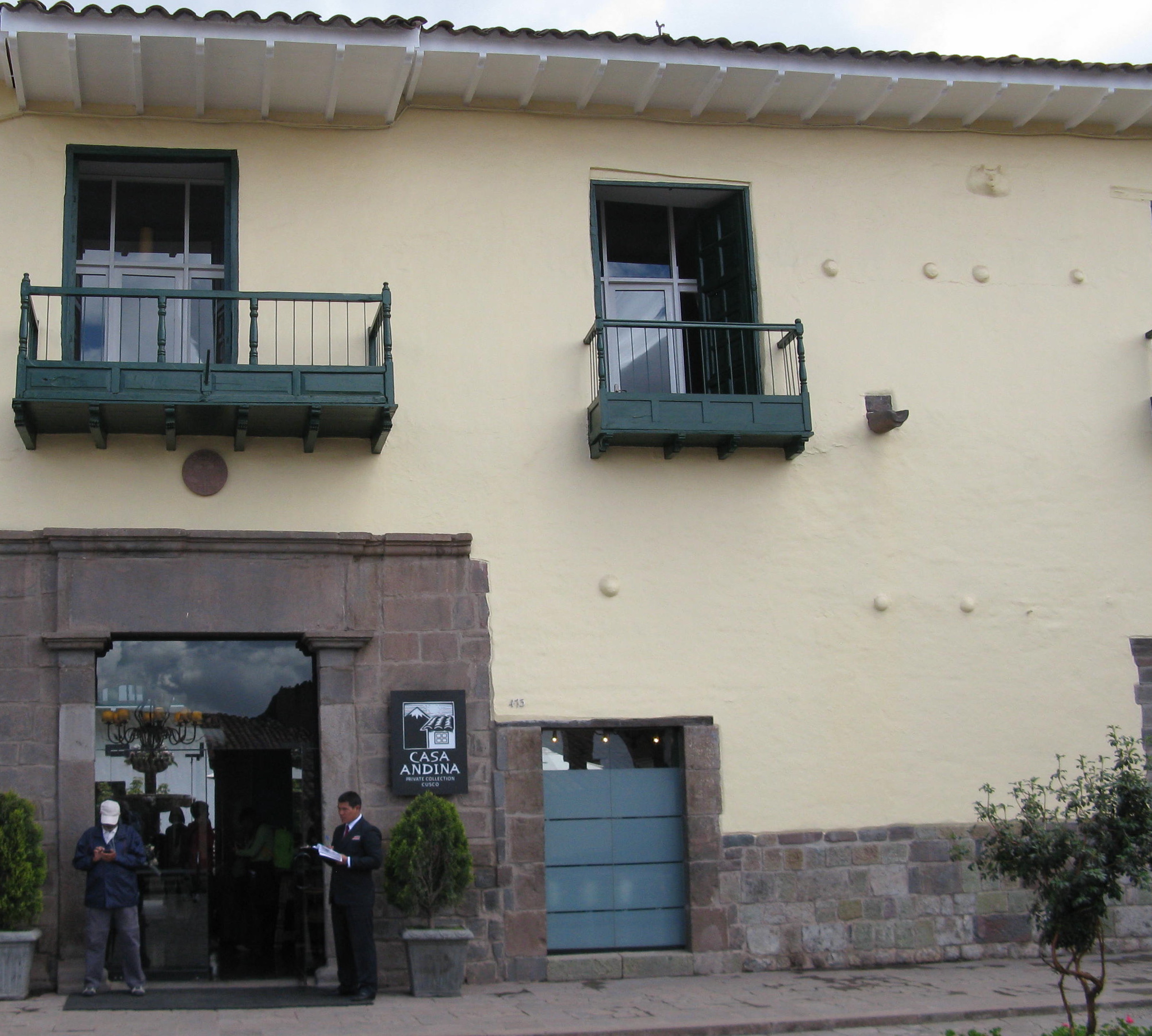
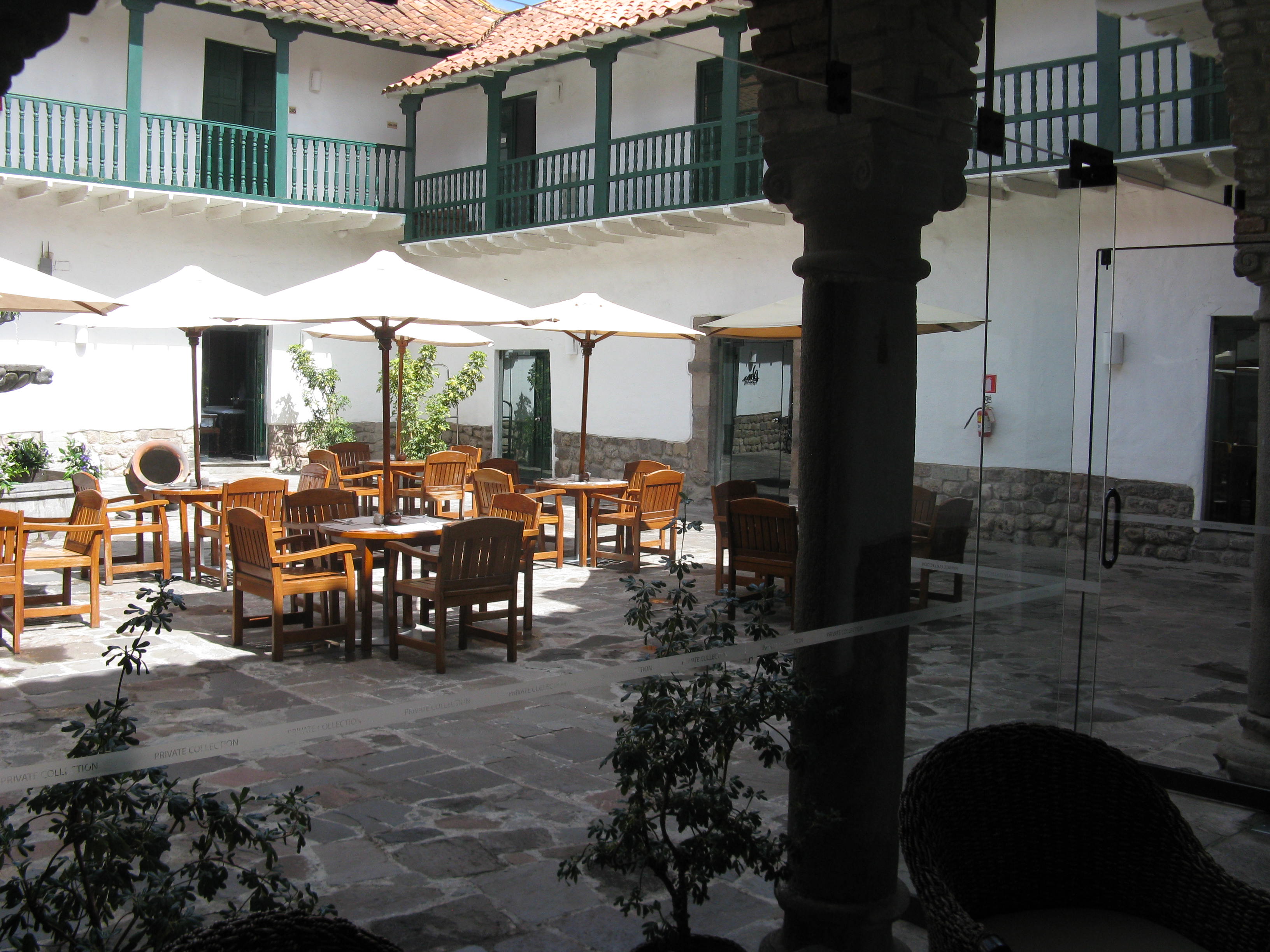
Casa Andina Private Collection CuscoAfter the entertainment of the train trip from Machu Picchu back to Ollantaytambo, the coach connection on to Cusco was rather boring and tiring in comparison. So it was that, along with our fellow intrepid co-travellers, we arrived in Cusco in the late afternoon for three nights at our hotel, the Casa Andina Private Collection. Having stayed at their hotels in Lima and Urubamba, we had high hopes; but this hotel is a conversion of an old manor house and not purpose-built like the others. This means that although it has more character, it also offers less comfort.

Casa Andina Private Collection Cusco courtyard On the good side, the staff are friendly and helpful, the location is excellent, breakfasts were fine and it has the most welcoming bar, complete with a roaring fire which you really need for late winter/early spring in Cusco. On the other hand, our meal in the restaurant on the first night wasn’t cooked very well and was cold – considering the menu was 95% the same as the restaurant in Urubamba which was top quality – the food just didn’t taste that nice. Also our bedroom only has one window, which looks out into the central corridor. So the room is dark, claustrophobic and airless – which doesn’t help when you’re trying to combat altitude sickness, as you need as much oxygen as possible! Also the soundproofing is virtually non-existent, so it’s important to keep your bedroom activities as silent as possible when you’re on a group tour.

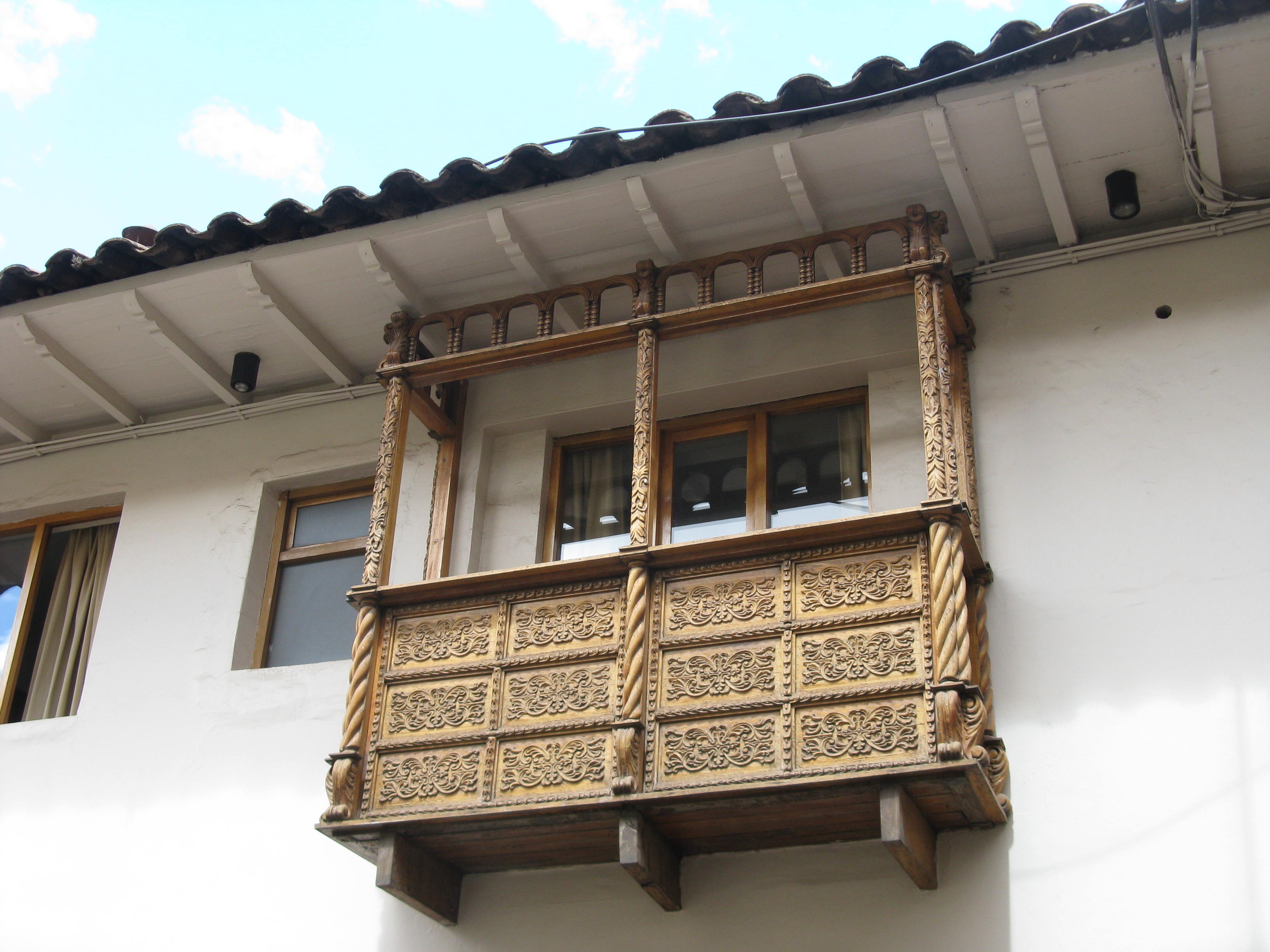
Cusco balconyMrs C had altitude sickness on the first night which surfaced as a severe stomach upset; and I had it on the last night in the form of nausea, headache, extreme tiredness and lack of appetite. I found breathing was very difficult on that last night so we asked for some oxygen to be sent to the room. Very helpfully they brought it as soon as possible; but the cylinder they supplied was virtually empty. I puffed on it for about ten minutes till it gave up the ghost.

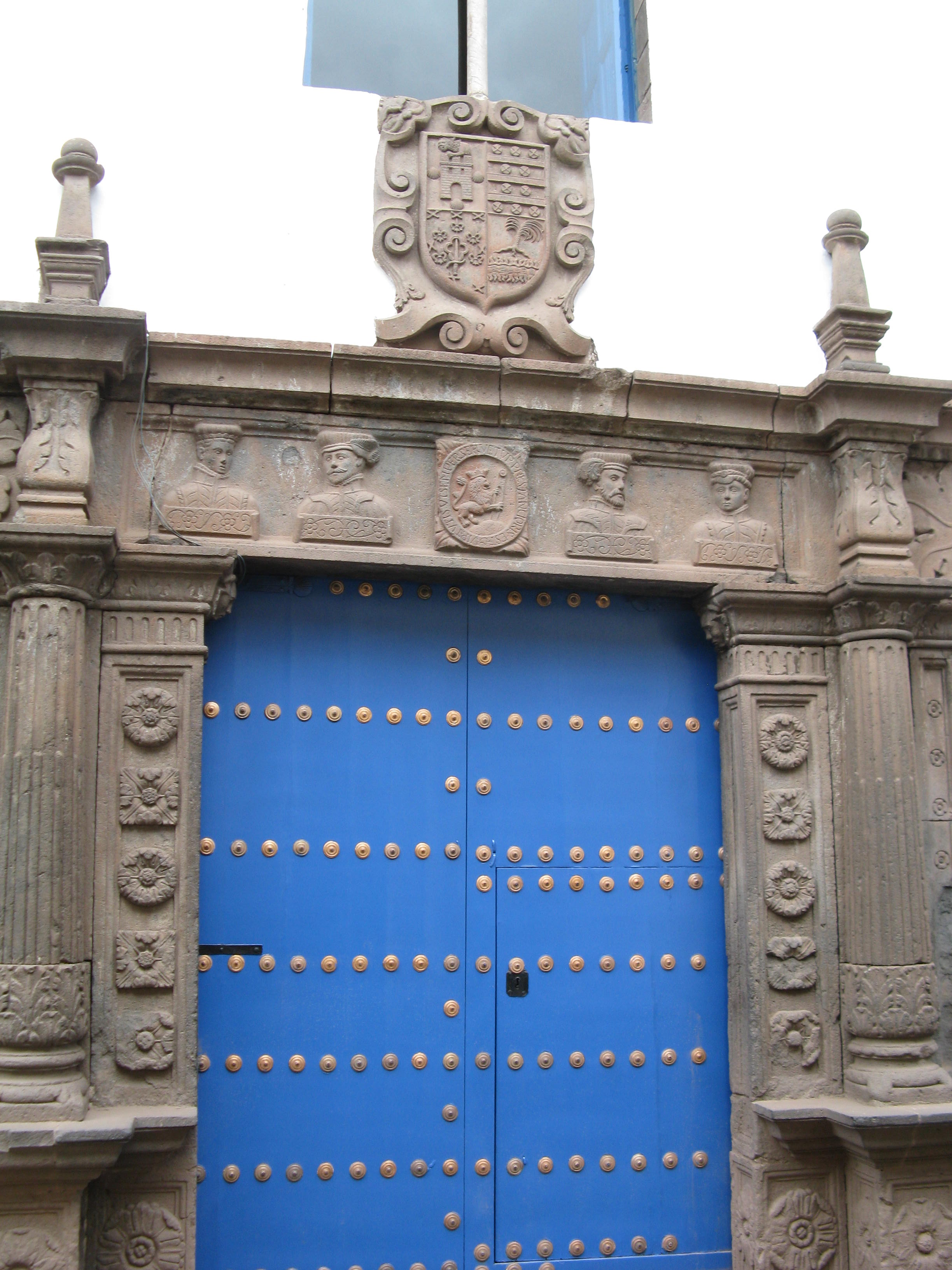
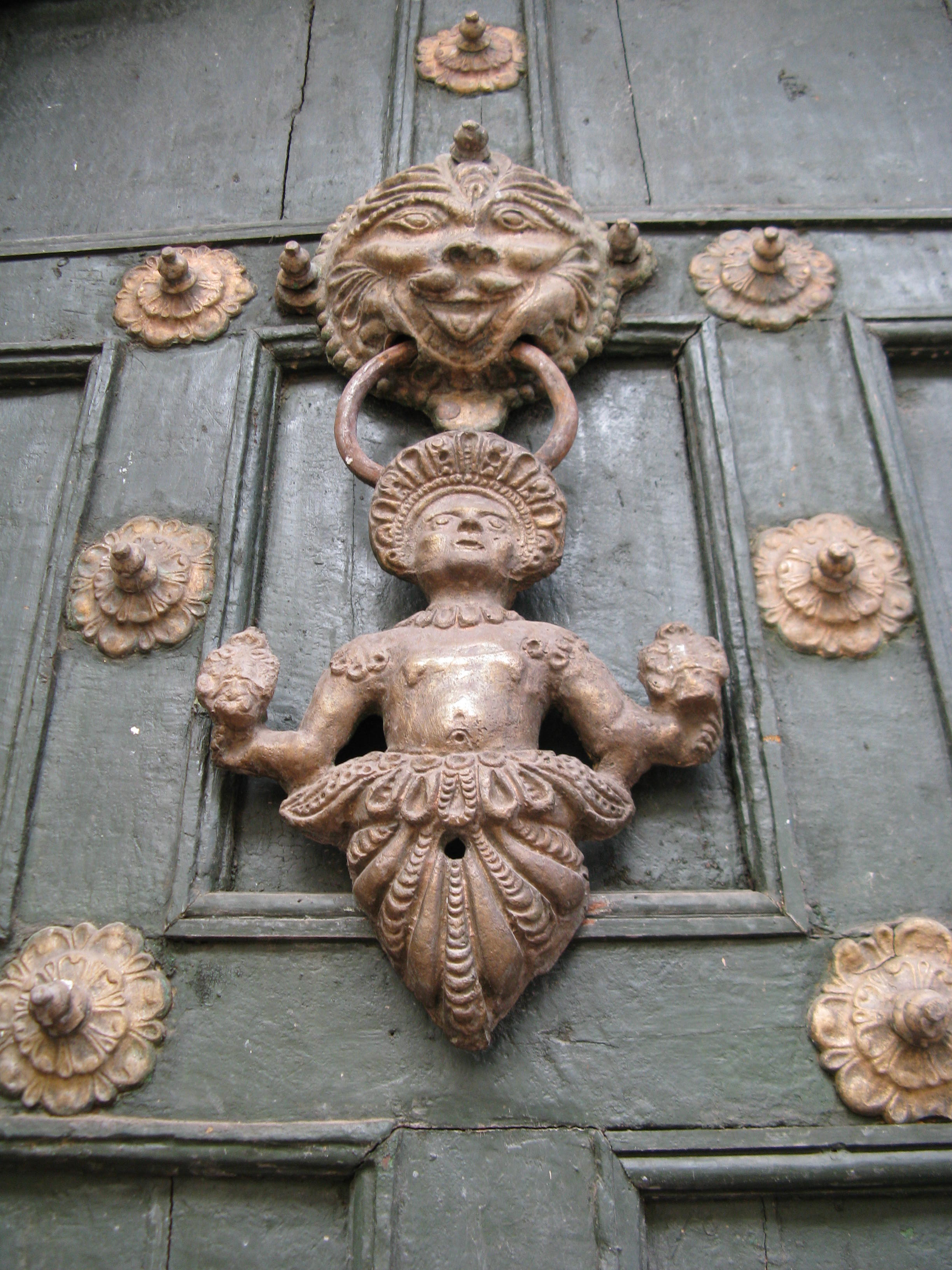
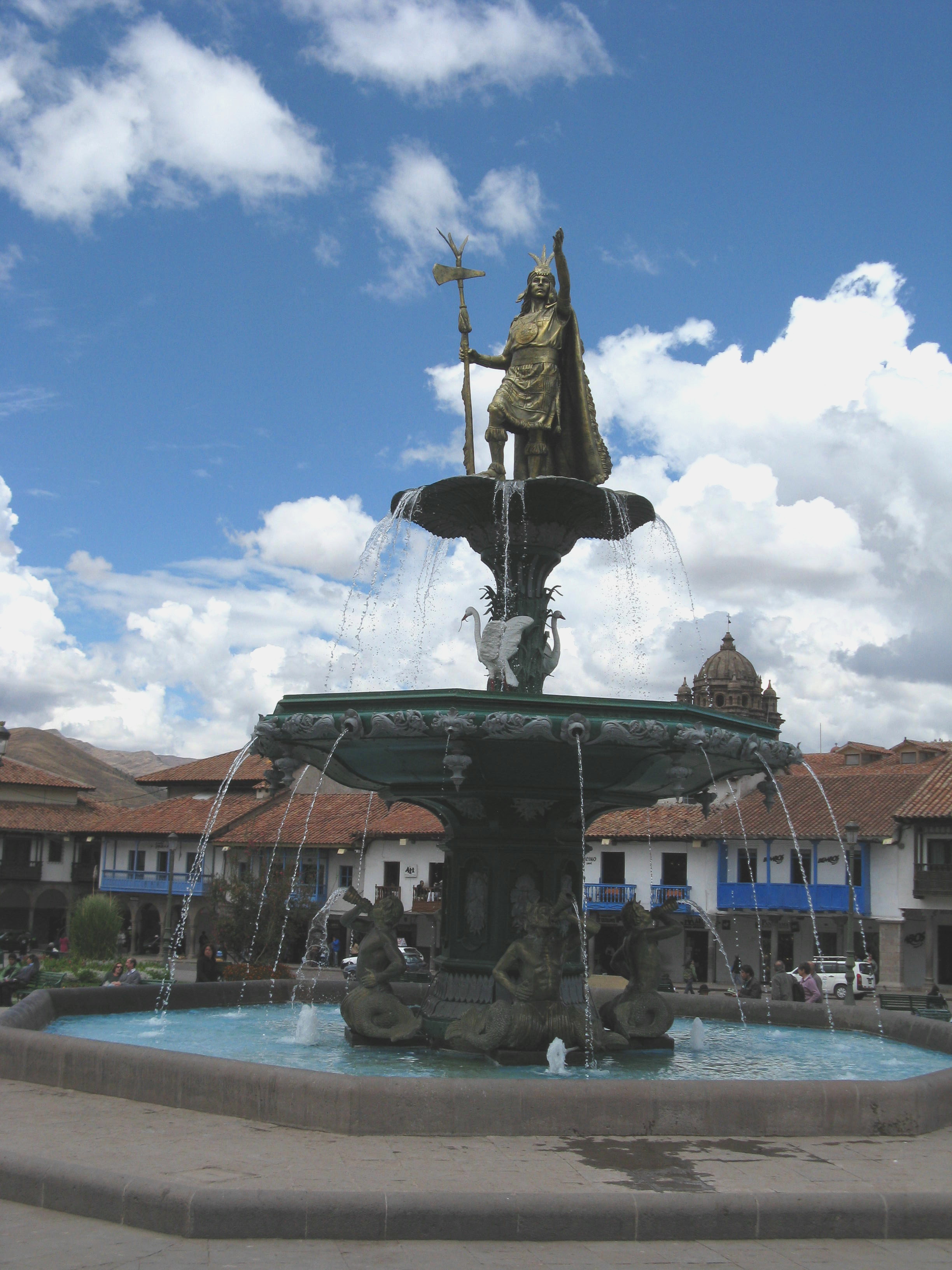
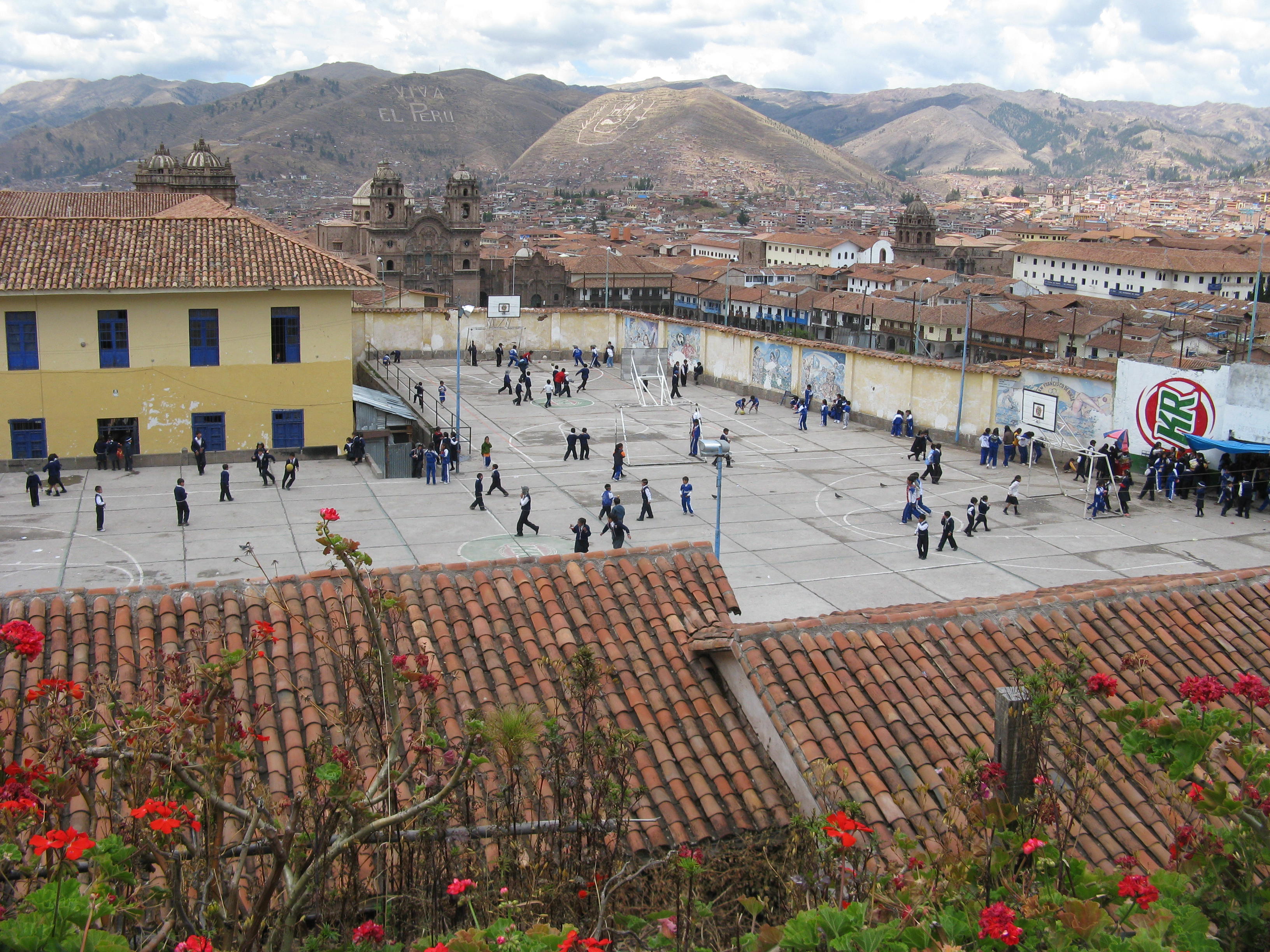
Grand doorsFortunately, on day two, Mrs C had recovered and I wasn’t affected yet, so we managed to have a good day in the town. An organised tour was arranged for the afternoon, so in the morning we took our little map and went on a general wander round the backstreets and into the squares, trying not to see too much of the sights we had been promised for later. Great knockersCusco is a very picturesque city, with charming Peruvian architecture – the classic colourful balconies that we saw in Lima are here in abundance, as are grand doors on the streets that imply the presence of untold beauty inside. Gargoyle-type faces stare out at you, daring you to rap at the door with their elegant knockers; this is all very imposing stuff.

Plaza de Armas fountainAt the heart of the city is the Plaza de Armas. Lined on four sides by balconied shops and restaurants as well as the Cathedral, this is where Pizarro claimed Cusco for Spain. It’s delightfully green, has an elegant fountain, and is an obvious meeting place for friends, colleagues and lovers. It’s also quite expansively large; Cusco’s other streets and squares seem cosy and bijou in comparison. PlaygroundWe observed the daily activities of the ordinary people of Cusco town: the children in their smart bright blue uniforms played in the school playground; an old car lolloped along a bumpy road and then went up in a fizz of steam as its radiator burst, its driver getting out, his head in his hands in despair; Police transport we saw the municipal police getting about the place at speed on their little scooter jobs with two chunky tyres; and we saw dozens of people patiently lining up outside a government building, we suspect to receive some kind of benefit payment.

Bar Cusco We stopped for an early lunch at the Bar Cusco, in Plaza de Regocijo. We only wanted something light and easy to digest – and everything we ordered turned out to be a massive portion. I can recommend it for a very good value, very tasty lunch; friendly staff, clean toilets and a spectacular Coca Tea.

Coca Tea Our gentle wander round the town had been in pleasant sunshine, and whilst not really warm, it was good enough to consider ourselves “lucky with the weather”. Come the afternoon, as we left the hotel on our organised tour, the heavens opened, the temperatures plummeted and we dashed to the Santo Domingo convent as quickly as we could.

Santo Domingo It’s a really interesting place as it’s a church and convent built on top of an Inca shrine. A lot of the original Incan architecture is still plain to see, and it makes a fascinating contrast with more modern Spanish colonial designs. There’s a lovely central courtyard with cloisters all around, and everywhere there are notices saying no photos allowed – but everyone was ignoring those notices so I thought I wouldn’t be the only one not to take the opportunity. As I was photographing the courtyard, the rain struck up a gear and turned to hail. Completely underdressed for the afternoon, we couldn’t believe how freezing cold we were.

CathedralWe also spent a good time in the Cathedral, which is very beautiful; has an extremely ornate reredos; a couple of black Christs on the Crosses, and Zapata’s splendid painting of the Last Supper, Cusco style, where the main course consists of roast Guinea Pig, they’re drinking Corn Beer and Judas’s face resembles Pizarro. We took the short coach journey to the San Blas district to visit the San Blas church, which has a wonderful ornate pulpit that is an homage to Baroque woodcarving. And as a payback for all that religious sightseeing, we ended up at a llama/alpaca clothes outfitters, where most of our travel companions found themselves in gift shopping heaven, and we picked up a couple of pairs of cheap gloves as it was proper perishing.

Atmospheric CuscoBack to the hotel for a much needed power nap. Then it was dinnertime. Feeling distinctly once bitten twice shy, we saw no reason to give the hotel restaurant a second chance, so decided to forage on the streets in the hope of finding a decent eatery. And we did. It didn’t take us long to chance upon Sara, The Organic Café Bistro at Santa Catalina Ancha, 370. Service and food were both excellent, and the wine list looked yummy but we were still being good and not having any. It was only a few minutes’ walk from the hotel, so we got back, not too late, with contented tummies and sleepy heads.